

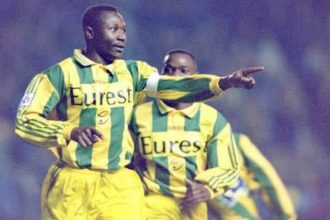
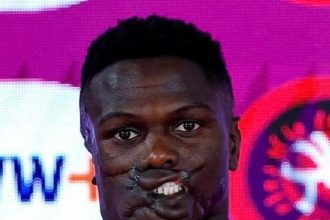
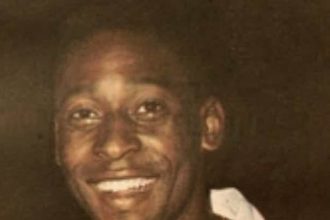


The scourge of fake football agents is a major challenge bedeviling African football ecosystem and it not limited to Africa alone, it is a global problem. This nightmare facing scores of young African footballers who dream of successful careers abroad is not different from the menace of the rackets that smuggle migrants by boat across the seas from Asia to Europe. The exact statistics of trafficking of youth through sport internationally is unknown. There are some NGOs who have stated various figures but many of these databases have not been verified independently through any known well coordinated sports’ scholarship so there are still needs of greater research and analyses to better understand the true numbers.
FIFPro, the global union for professional football players, for instance conducted a survey among randomly picked 263 professional footballers recently, both men and women, from Botswana, Cameroon, DR Congo, Ghana, Kenya, Zambia and Zimbabwe. Their findings were startling, it showed more than 70% of the players were contacted by someone who said they could help them move to another club. 43% of the players who took part were offered trials while 39% were told they would be offered a contract with a club.
56% did not get a trial they were promised, 44% did not sign a contract they were promised while 70% indicated they had not been educated about agents or intermediaries by their club.
Football is a tough industry, and scams are rampant. The daunting economic challenges of Africa and other developing countries of the the world also make these poor youngsters and their parents so vulnerable.
Families’ hopes have been dashed globally and many lives have been destroyed by these illegal activities of fake football agents.
A case study is the story of the Ivorian football’s revelation in the just concluded African cup of Nations in Ivory Coast, Simon Adringa whose budding destiny would have been buried in Cotonou, a city located in the coastal strip between Lake Nokoué and the Atlantic Ocean of West Africa, had mother luck not intervened in his favour.
Simon Adringa’s story is so touching. The talismanic Brighton & Hove Albion’s forward then 12 years old in 2014 was approached by a crook while playing in the dusty streets of Abobo, a northern suburb of Abidjan. The coach pretended to be a football agent and offered to take him and other 9 talented youngsters in the training centre where he was in Abidjan to a football academy in Benin Republic, where his dream of playing in Europe could materialise. This rogue agent collected €300 each from the 10 hapless boys, only for them to later discover that this was all made up by the thug who abandoned them in the streets of Cotonou and bolted away with the cash. At that tender age the boys were to their own devices without anyone’s help, no accommodation and money to feed.
Stranded, the lads decided to stay together and do odd jobs to start earning money, such as washing plates in restaurants in exchange for some money and meals and other menial jobs. It took the providence of meeting a Beninois who studied in Ivory Coast to rescue them from starvation in the streets when he recognised the Ivorian accent of the roaming children and he was scandalised by the conditions which they lived. He did everything to find them a better accommodation. Simon later got an opportunity to play in a tournament in Accra, Ghana where destiny smiled on him. He was fortunately spotted by the ‘Right to Dream Academy’ of Accra’s scouts there and was offered a place at the Egyptian Mansour Group’s $120 million-worth all-boarding school based in Takoradi, Ghana and after 2 years there he got his breakthrough to FC Nordsjaelland in Denmark, a European sister club of the Accra-based football school.

Simon Adringa’s story is so typical of so many young aspiring footballers from the continent of Africa who are perennially being exploited by dubious agents due to unregulated transfer markets and chaotic structures of football administrations. The overwhelming majority of young talents from the continent who fall daily into the hands of these illegal agents aren’t always as lucky as young Simon.


Obviously one of the safest routes for African talents dreaming of taking their trades abroad still remains through proper football schools like Right to Dream Academy as shown in this story and many of such established academies litter the landscape of Africa from East to West, North and South.
For instance the Tottenham Hotspur’s star, Pape Matar Sarr made his professional debut with Génération Foot, another multimillion dollar football school in his native country of Senegal, before signing a five-year contract with the sister club of the academy, the Ligue 1 side Metz France.
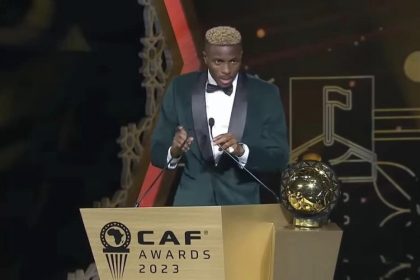
The reigning African footballer of the year, Victor Osimhen successfully transitioned to VfL Wolfsburg in the German Bundesliga too through another well-funded academy in Lagos called Ultimate Strikers Academy. The mercurial West Ham United attacking midfielder, Mohammed Kudus transitioned to Europe too through the same Takoradi-based Right to Dream Academy, and there are so many examples all over the continent like these. Any young sportsperson can’t get it wrong by going through these more regulated channels.


The Ivorian football legend, Didier Drogba whose foundation partners with Fifpro and the International Labour Organization (ILO) to raise awareness and help players avoid falling victim of fake agents has these to say;
“You are being scammed, being fooled, it’s a swindle. This issue has gone on far too long and the number of fake agents has multiplied. It’s not only about football players: we’re talking about the wellbeing of young men and women who dream of a successful career abroad.”
“There have been many young players who have been scammed. They have a guy who told them ‘you’re going to have a great career, trust me’ but the dream has become a nightmare. They’ve been fooled and it’s a swindle.
“During my career, I’ve met lots of young African players who have told me they have been left homeless and forced to beg on the streets by these fake agents. I’ve given them some cash to help but it never lasts long, so it is better that we try to educate them and their parents.
“I want to empower these players, so they are more vigilant and can follow their dreams in the right way”.

The new FIFA regulations that kicked off on 1st of October 2023 have mandated every working football agent to be licenced by the global governing body after passing a mandatory exam. The hope was that this will help filter fake agents out, but this too hasn’t yielded significant change as education is still required in order that players can spot an illegitimate operator.
Numerous no-profit-organisations are helping to sensitise the public about this problem, notable among them is International Centre for Sport Security (ICSS) that was founded in 2010 by Mohammed Hanzab, a former lieutenant colonel in the Qatar Armed Forces. The ICSS has provided reports and integrity alerts to football organisations in relation to these issues to keep ahead of the emerging criminal threats to youth in sports.

Clubs and National Associations in Africa too have a lot to do to mitigate against these international crimes by including warnings on their websites of these scams and tips on how these syndicates operate, the job of combating these crimes should not be left alone to NGOs and investigative journalists who are presently doing a lot in this regard. the protection of sport is a shared responsibility and all stakeholders should actively participate in it.
References:
- “Early struggles, mentored by Essien: Simon Adringa’s journey” by Hale Hendrix. Football Biography. July 2024
- “Human trafficking: International fake player agents and scouts, and their selling of dreams” Report for Inside Football by Fred Lord, October 2020
- “Didier Drogba and Geremi send warning to young African footballers over fake football agents The Athletic. Author: Matt Slater, July 2023.
- “Didier Drogba takes on scourge of ‘fake agents’ scamming African players”. The Guardian, Author: Nick Ames, July 2023.
- UNITAR and ICSS to launch first UN certified training framework on sport security. Qatar Tribune Editorial, August 2020.
- “Egyptian billionaires invest $120m in Ghana football academy”. BBC Sport. Edwards, Piers January 2021
Subscribe to our YouTube channel using this link: https://youtube.com/@moorsportz?si=jc-mwHff0fciUQJf
Edited by Niyi Akinola
Photo credits: The Guardian July 2023. The Athletics July 2023. Football Biography July 2024
(Please note that we don’t have copyright ownership on these photos).