




The 21st century landscape of African football has changed drastically. The turning point in international football history was in January 2004 when FIFA’s eligibility rule for switch of international allegiance kicked off. This gave opportunities for Africans born in the diaspora to have alternative choices of playing for countries on any side of their roots and they have surged up so much in numbers geometrically in the continent’s international football space since then.
The influences of these diaspora Africans in African football have been instant, since this 2004 FIFA’s international allegiance rule change and they continue to dictate the directions of the game in Africa up till now.
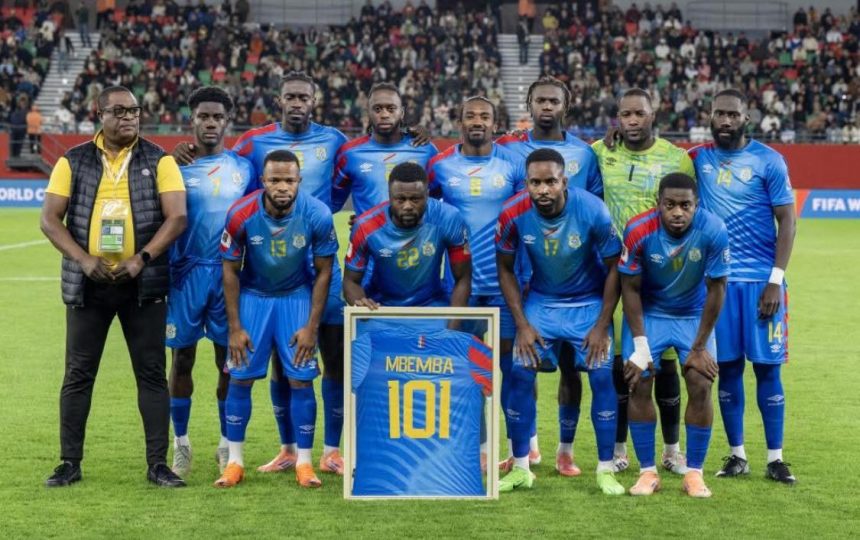
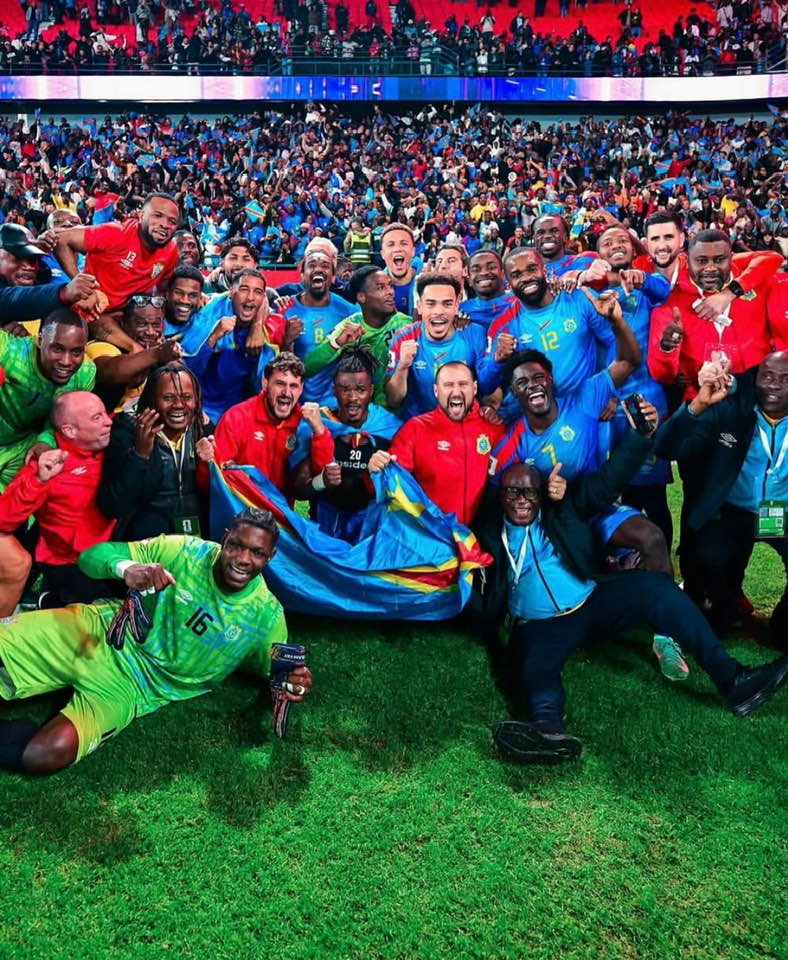
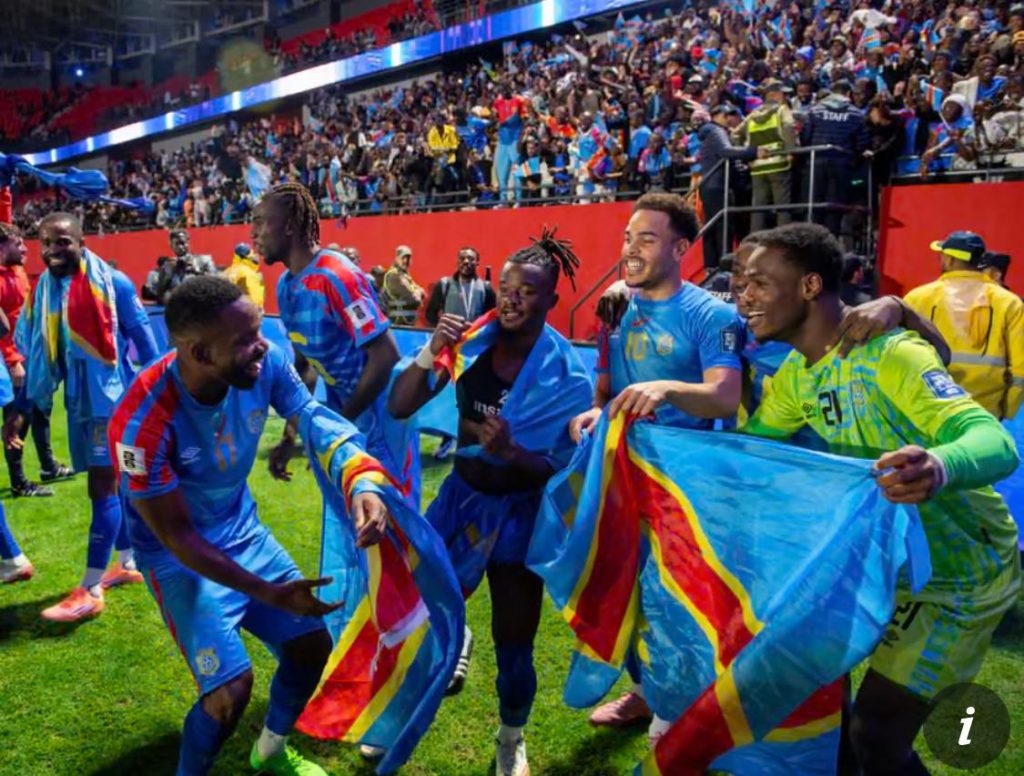
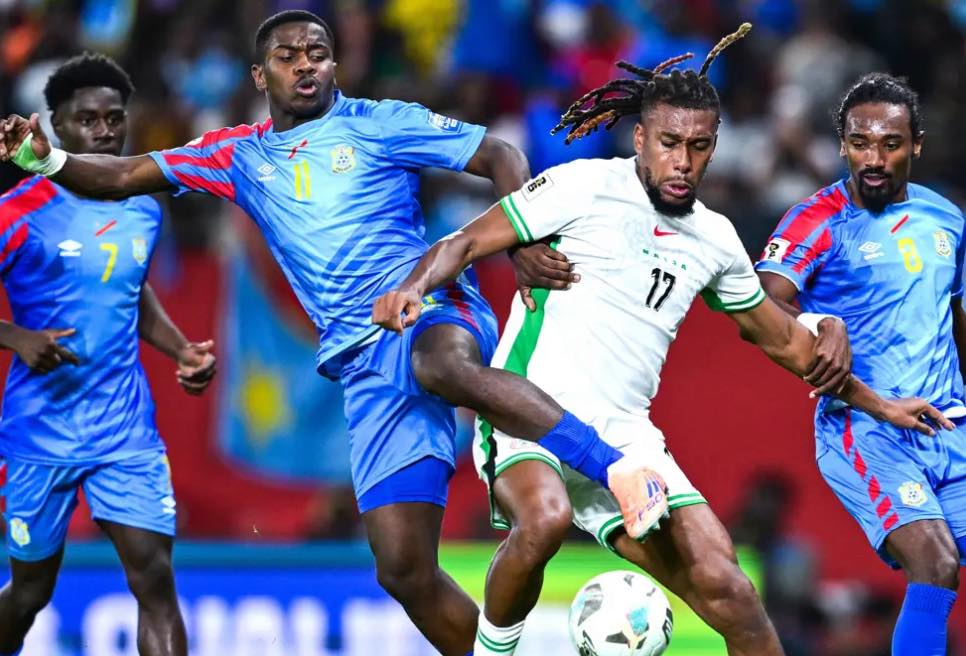
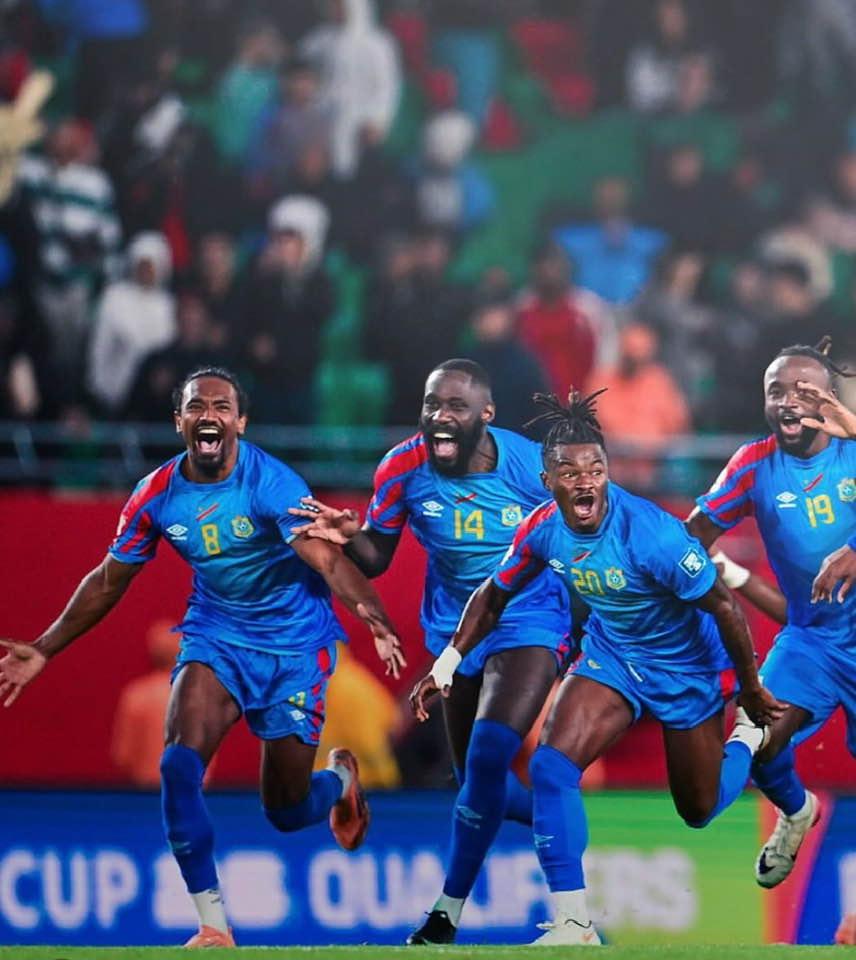
For instance the DR Congo’s Léopards that defeated Nigeria to win the single slot reserved for Africa in the 2026 FIFA World Cup intercontinental playoffs holding in America next March was made up of 90% players born in Europe to Congolese’ parents;
- Axel Tuanzebe (Born in DR Congo but grew up in England)
- Lionel Mpasi (born in France)
- Aaron WAN-BISSAKA (born in England)
- Arthur MASUAKU (born in France)
- Noah SADIKI (born in Belgium)
- Samuel Moutoussamy (born in France)
- Nathanael MBUKU (born in France)
- Ngal’ayel Mukau (born in Belgium)
- Cedric BAKAMBU (born in France)
These 9 Europe-born players were in the starting lineup in the 2026 World Cup qualifiers playoff final against Nigeria.
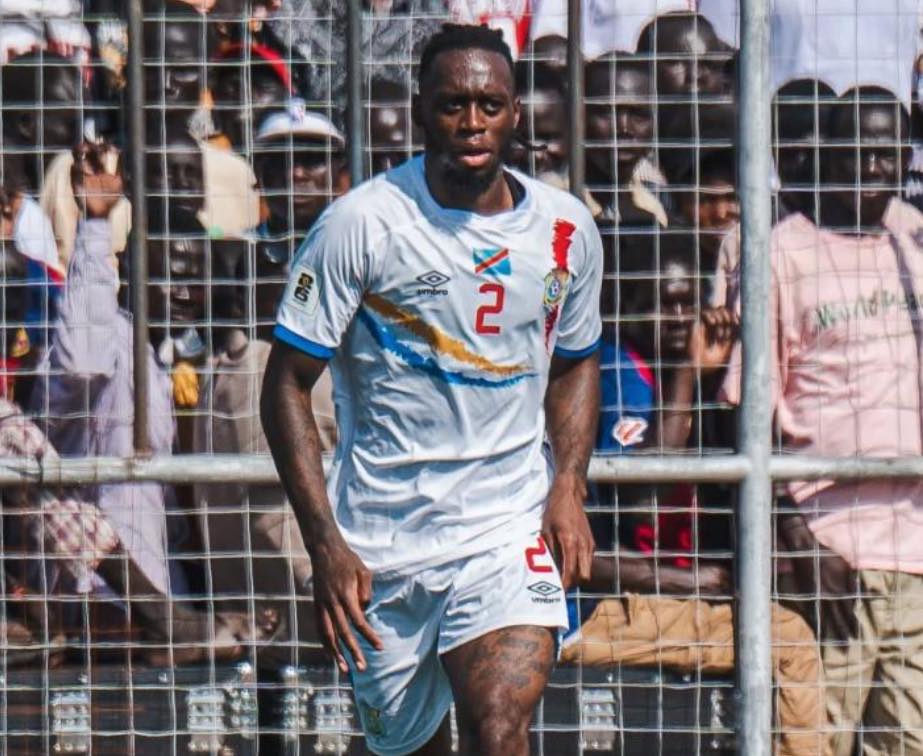
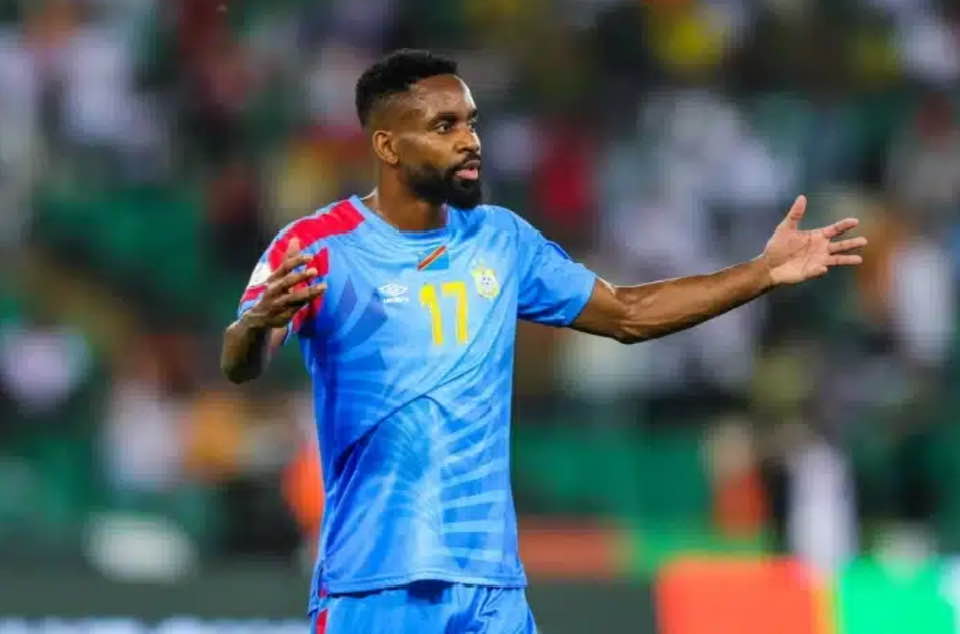
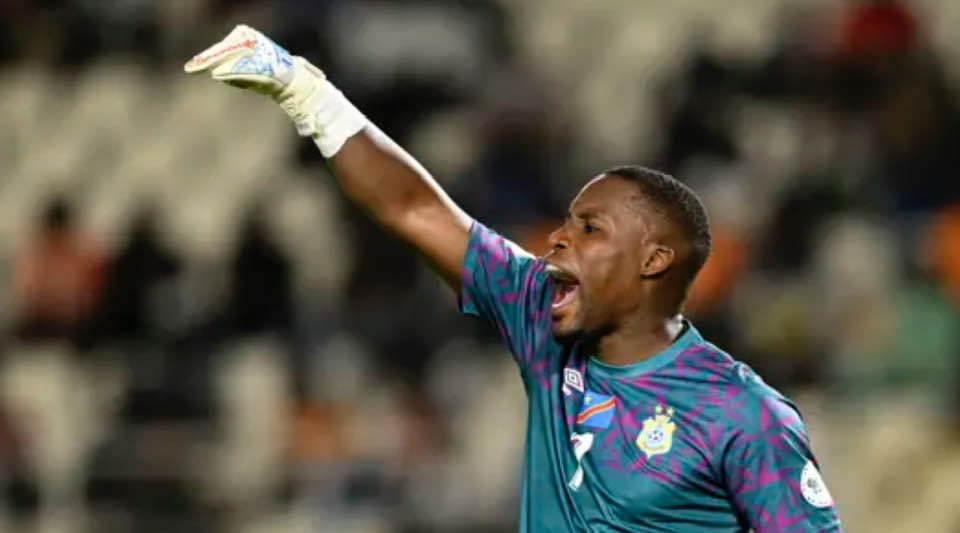
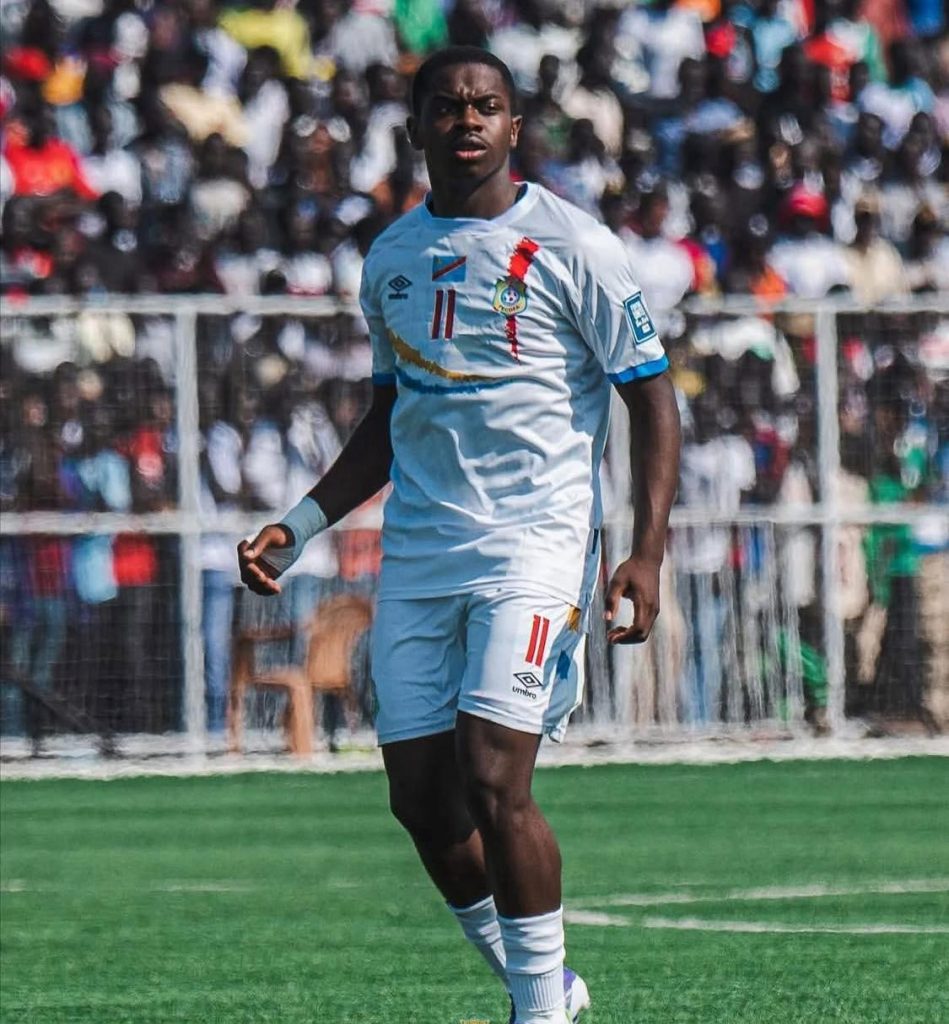
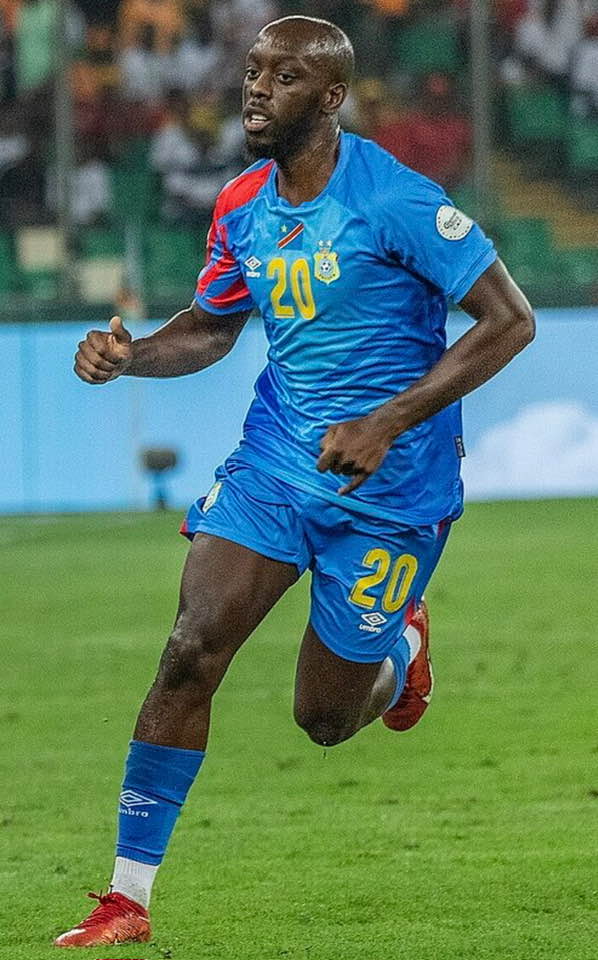
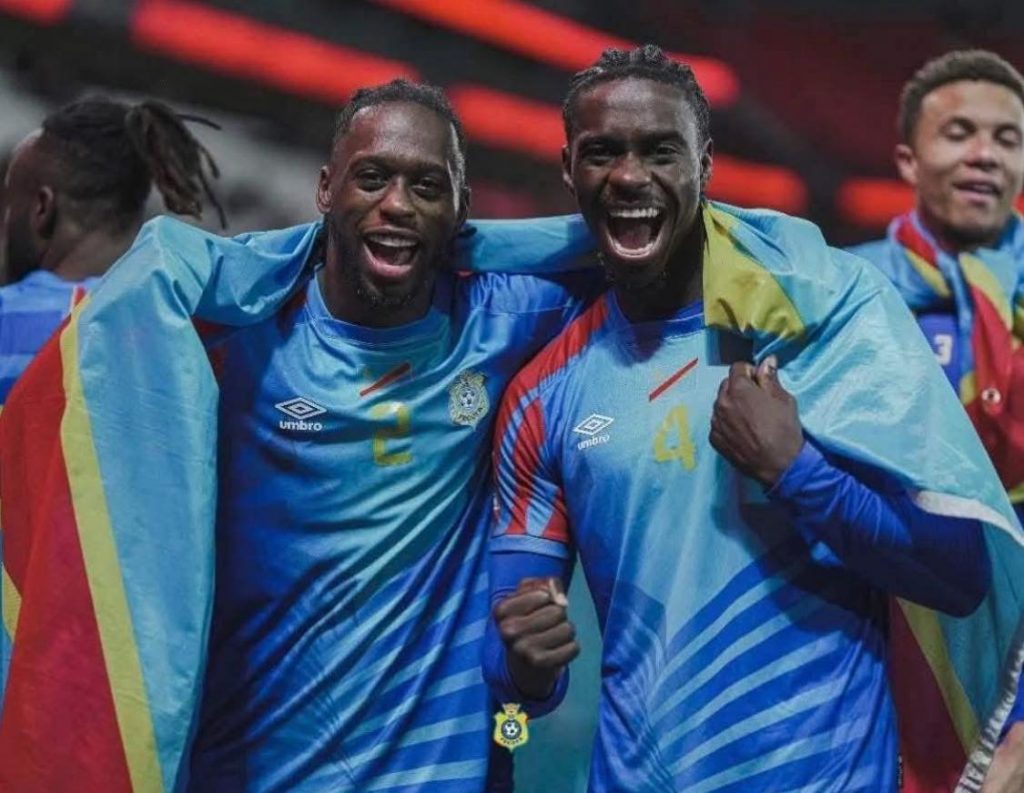
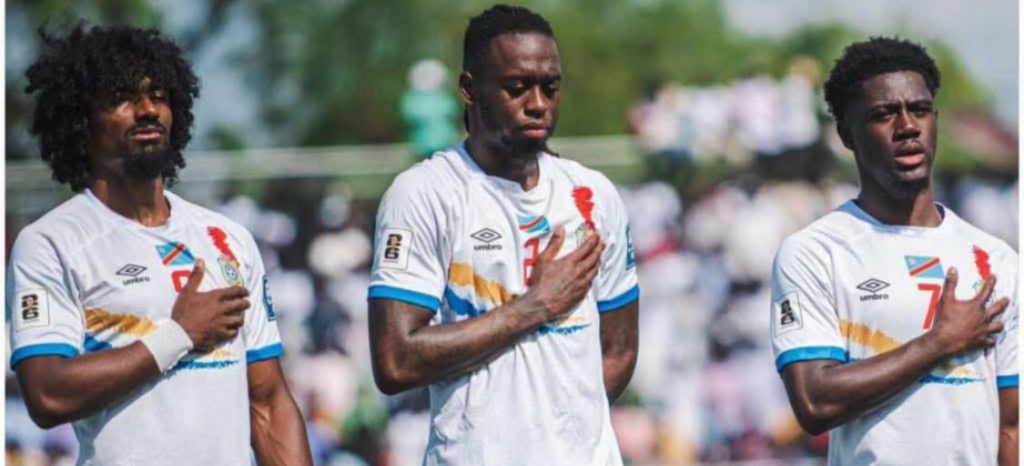
Meanwhile the team’s talisman, Yoane WISSA also born France was absent due to injury otherwise he would have also been in the starting lineup.
In 2022 when the Frenchman Sébastien Desabre was appointed coach of DR Congo national football team, replacing the Argentine Héctor Cúper, after DR Congo failed to qualify for the 2022 FIFA World Cup. He was given a 4-year contract with the aim of guiding DR Congo to the 2026 FIFA World Cup. Knowing the growing tradition of the influx of Europe-born African players to other national teams in the continent, he immediately set to work by touring Europe to convince players with Congolese roots to switch allegiance to their ancestral homeland by showing them his plans and ambitions for the 2026 World Cup and this has today paid off handsomely.

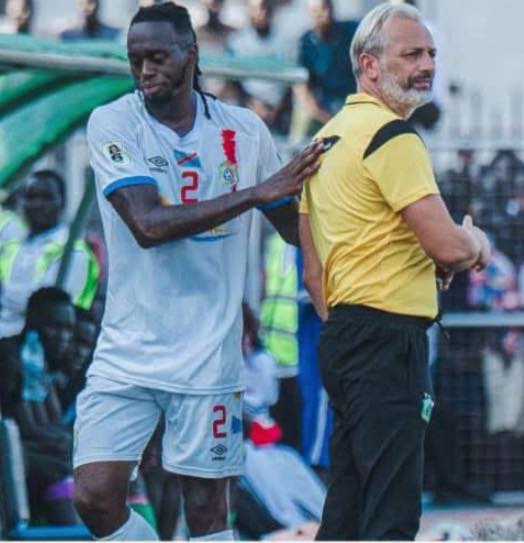
With Léopards getting a waver to play only the final qualifier due to their relatively good FIFA ranking compared to their opponents in the coming intercontinental playoffs, they now look properly positioned to break the 50-years jinx of the DR Congo’s hiatus from the World Cup since their debut appearance as Zaire in 1974. The positive impact of these Europe-born Congolese that dominated this generation of Léopards cannot be more obvious than this.
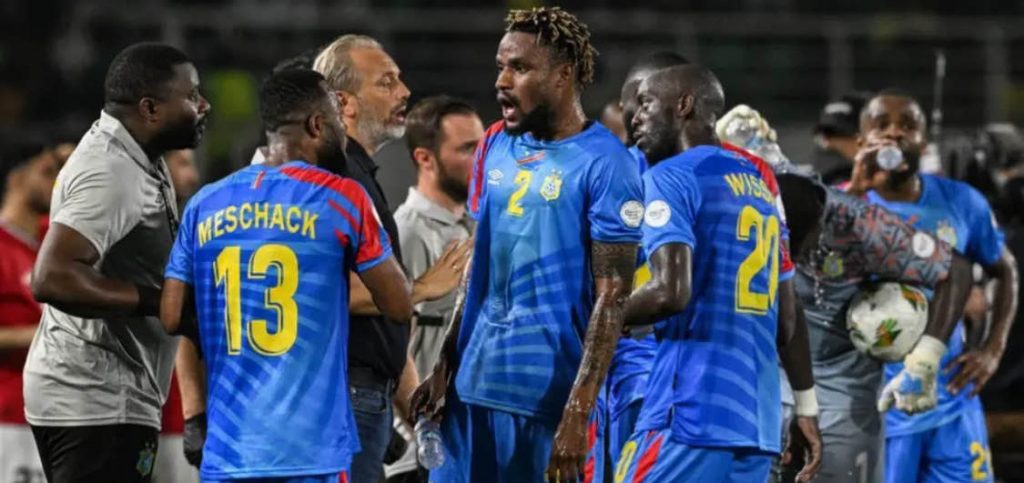
Some African nations like Morocco and Algeria were quick to embrace players born outside of their borders. For instance, 16 out of the 23-man squad of the Atlas Lions of Morocco that got to the semifinals of the 2022 FIFA World Cup in Qatar were born outside Africa too. Others like Tanzania, prior to 2024, had never taken a European-born player to AFCON.
Almost all African sides now scout for potential talented players born abroad.
The impacts of this on the smaller footballing nations of Africa historically referred to as “minnows” have even been more profound. Countries like Cape Verde Island heading to their debut FIFA World Cup next year’s summer and the Comoros Island that’ll be making their 2nd appearance at the Africa Cup of Nations next month after their debut in the 2021 edition in Cameroon, where the team reached the round of 16 can not be more excited about the positive outcomes of their global scoutings for African-European footballers.
As the 2025 Africa Cup of Nations opens with Morocco v Comoros fixture on 21st of December, don’t expect a “Comoros Island minnow’s football game” because the smaller African football countries are the greatest beneficiaries of this 21st century’s football migration reversal.