


He ignored a Linkedin message once but not the second time, when he later responded his life changed forever.
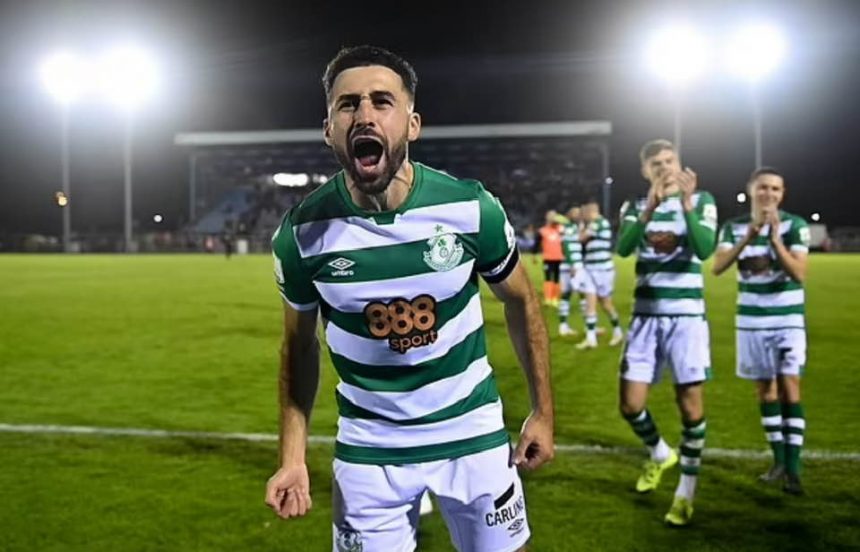
Lopes born and raised in Dublin one day after his club’s morning training session received a message on the social networking website LinkedIn out of the blue, It was a message that not only transformed the Shamrock Rovers defender’s football career but also his life forever.
“When I was in college, one of our modules required us to set up a LinkedIn account,”
“And it ended up being through LinkedIn, maybe five or six years later, the manager at the time messaged me in Portuguese, which I didn’t understand. I just thought it was a welcome message … so I ignored it.”
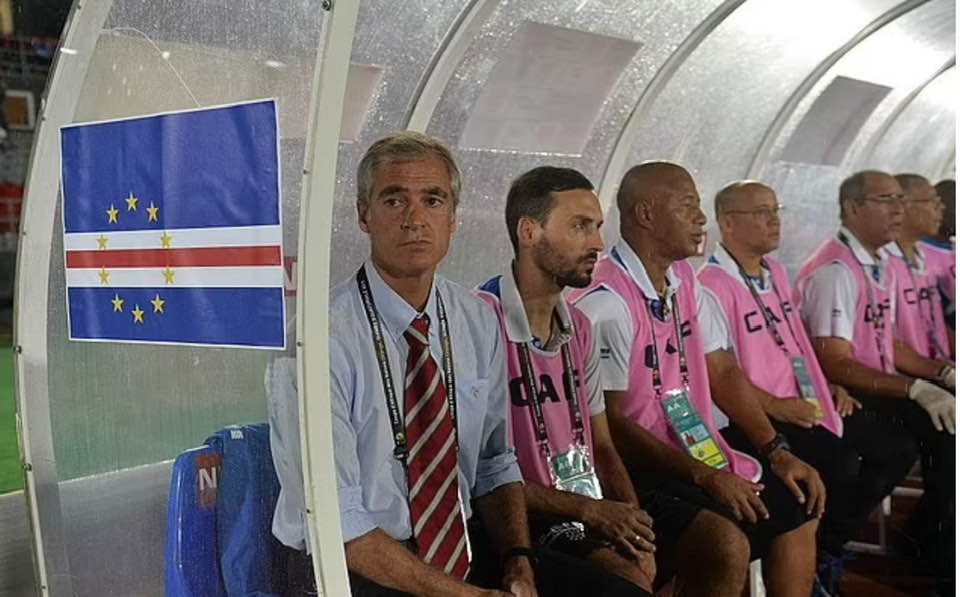
Fortunately for Lopes, Cape Verde head coach at that time Rui Águas messaged the Shamrock Rovers defender again nine months later – this time in English – asking if he had considered his offer.
With the help of Google Translate, Lopes realized that he had been offered the chance to represent the national team of his ancestral homeland, Cape Verde.
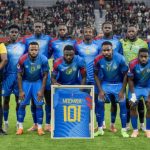
Soon after, Lopes made his first appearance for Cape Verde, and six years after this he is preparing to play at the pinnacle of football, the FIFA World Cup in 2026.
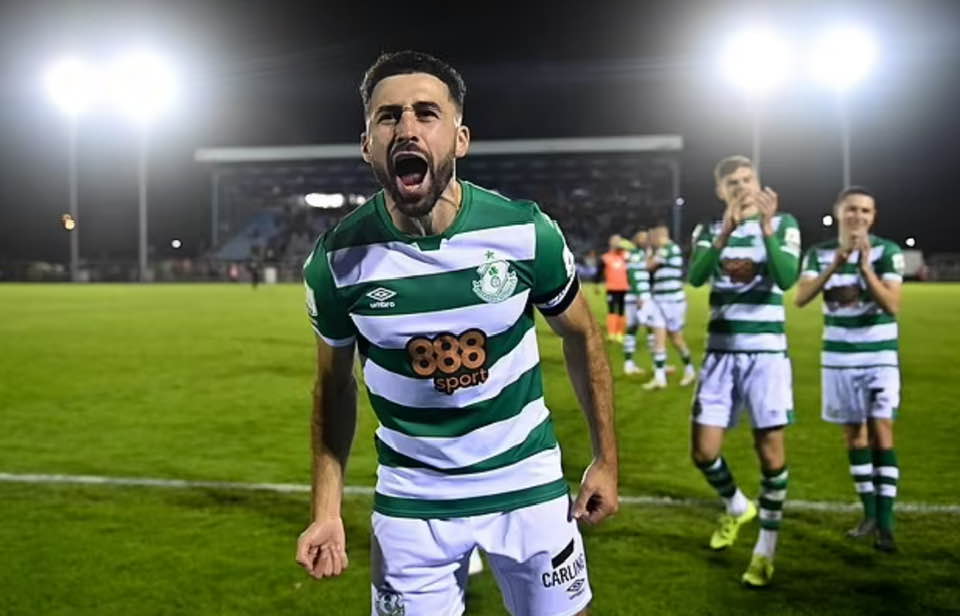
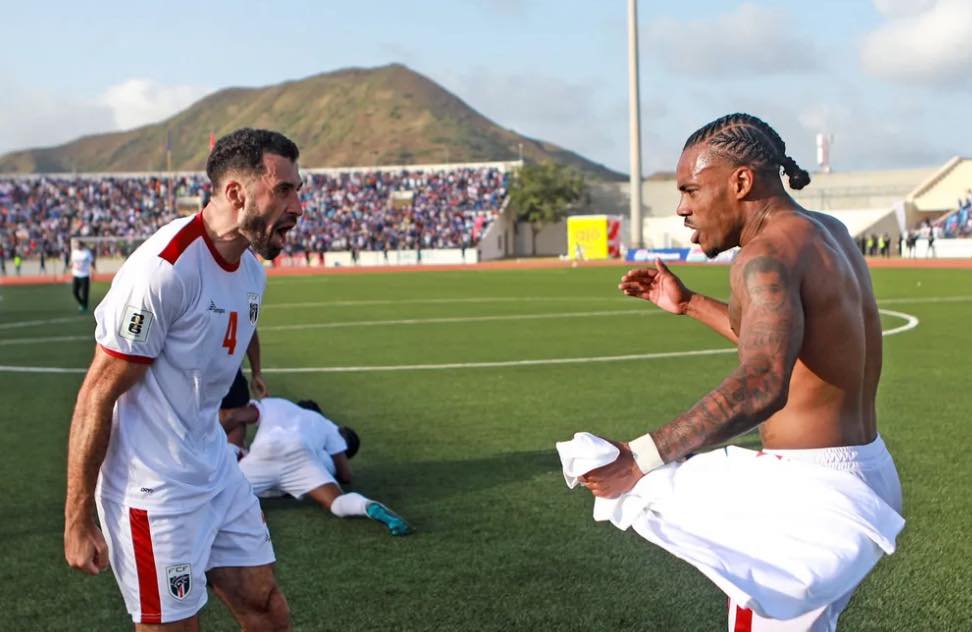
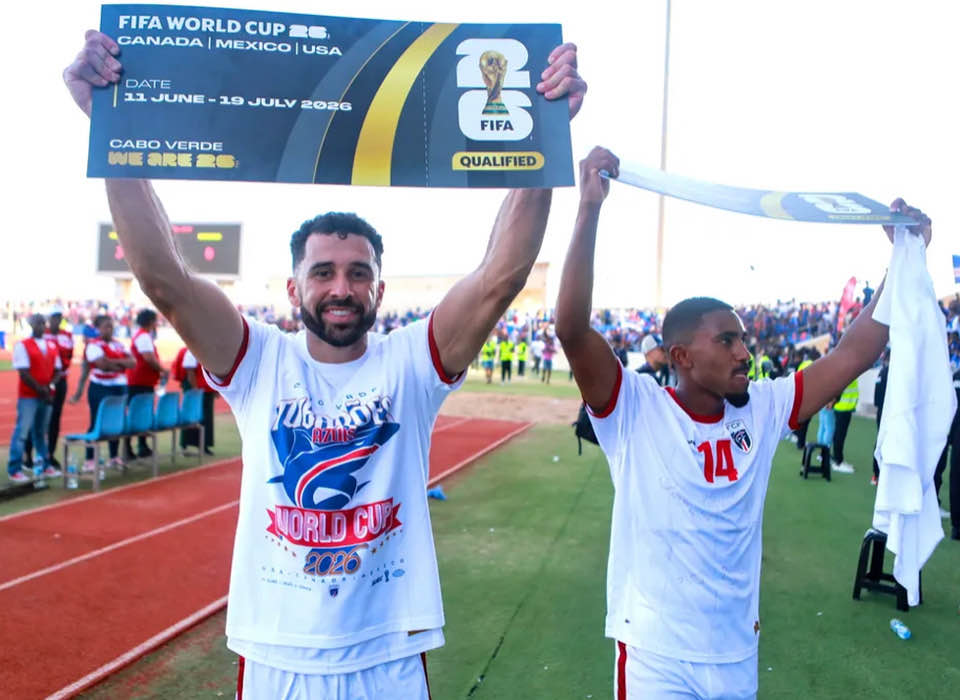
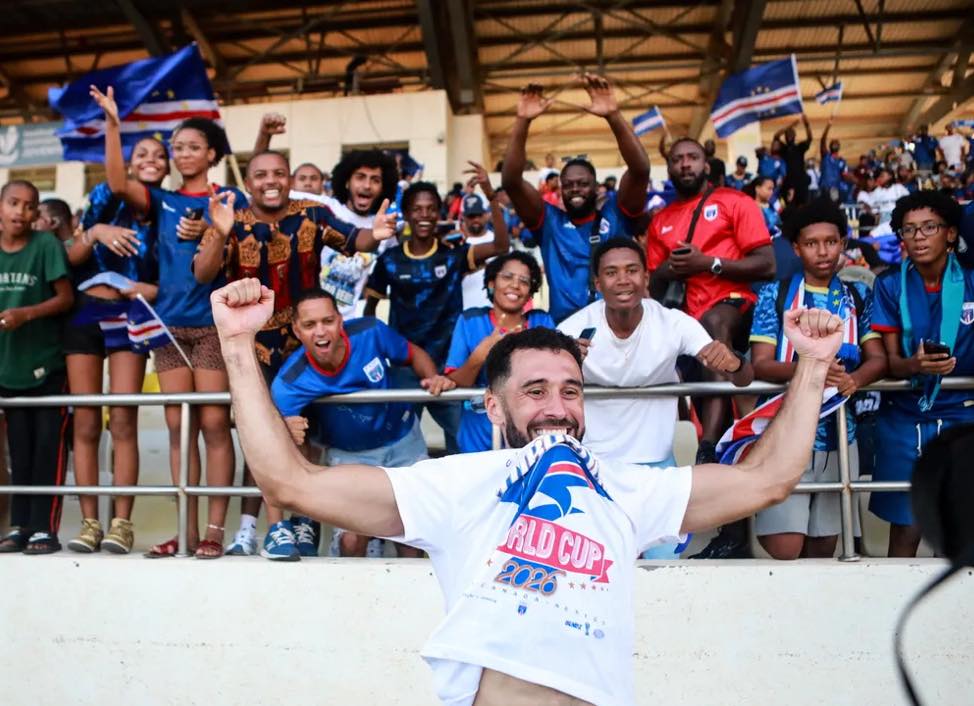
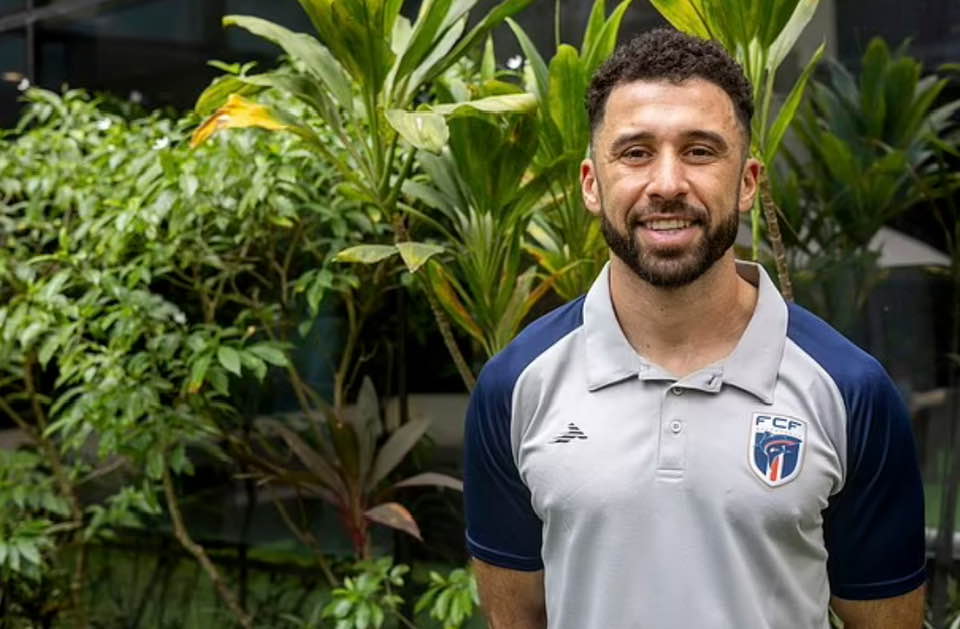
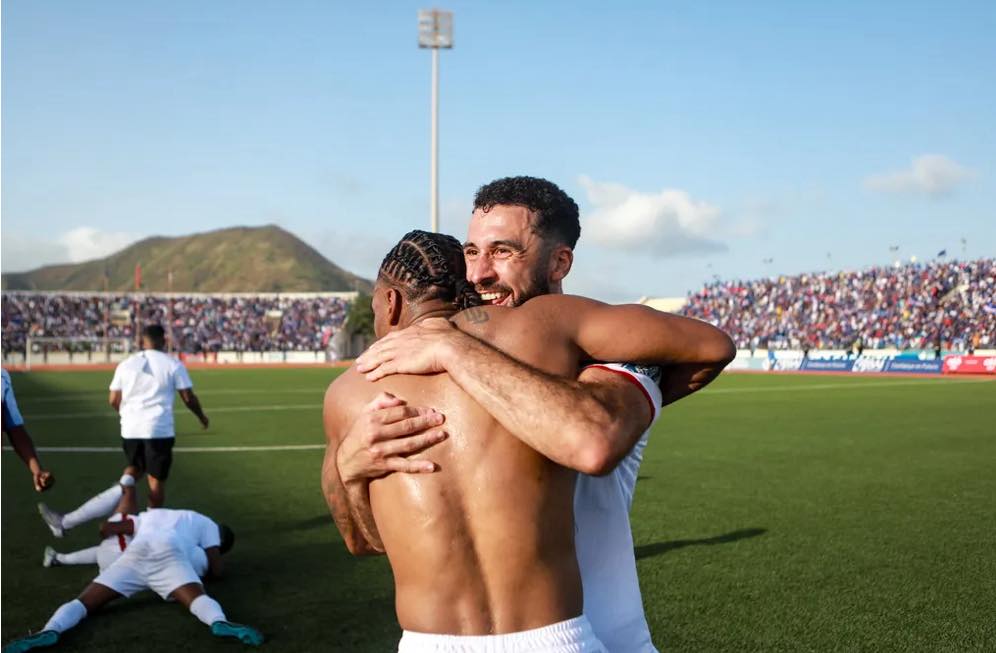
Roberto ‘Pico’ Lopes is an inspirational figure to the other 3 Cape Verdeans born in Europe who were key figures throughout the historic campaign of Cape Verde Island in this 2026 FIFA World Cup qualifiers —— Steven Moreira, the right-back born in France, Telmo Emmanuel Gomes a midfielder, born in Portugal and the mercurial Dailon Livramento, born in Rotterdam who was the hero of the day for the Blue sharks in Praia on the matchday 8 of the qualifying series in September against continental giants, Cameroon scoring the 54th-minute match winner. It was his third goal of the 2026 World Cup qualifying series, following his brace that gave Cape Verde a shock matchday 6 win in Angola last March. Dailon scored his fourth goal on the final matchday to emerge as the highest scorer for his country in the series.
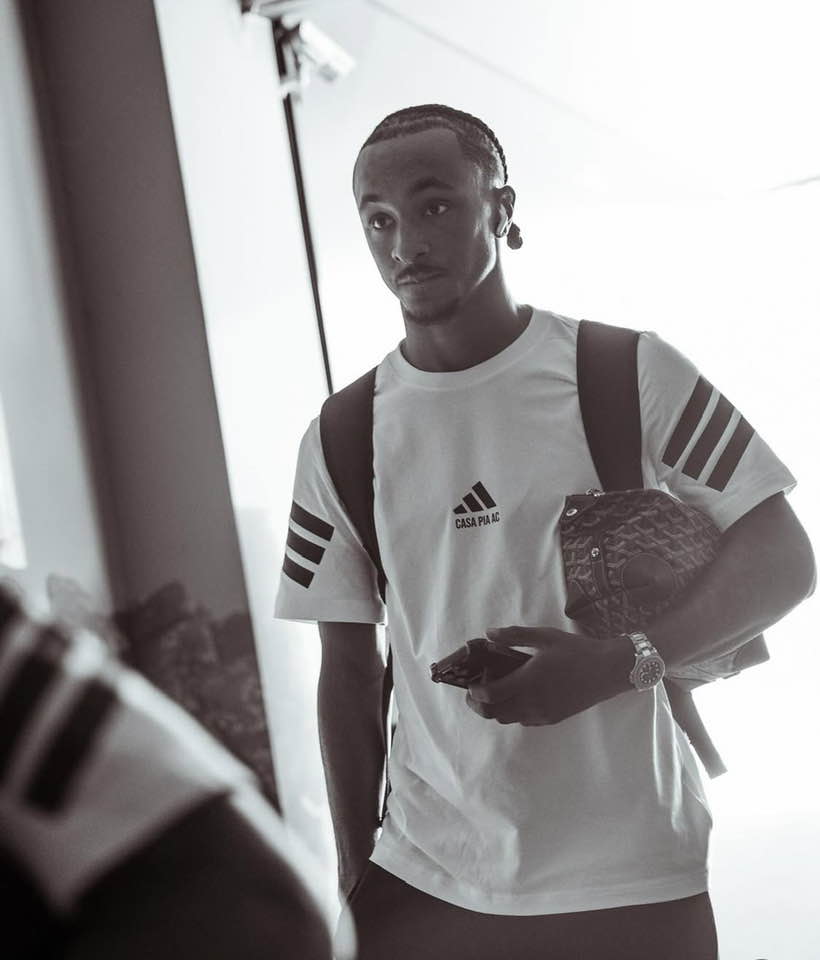
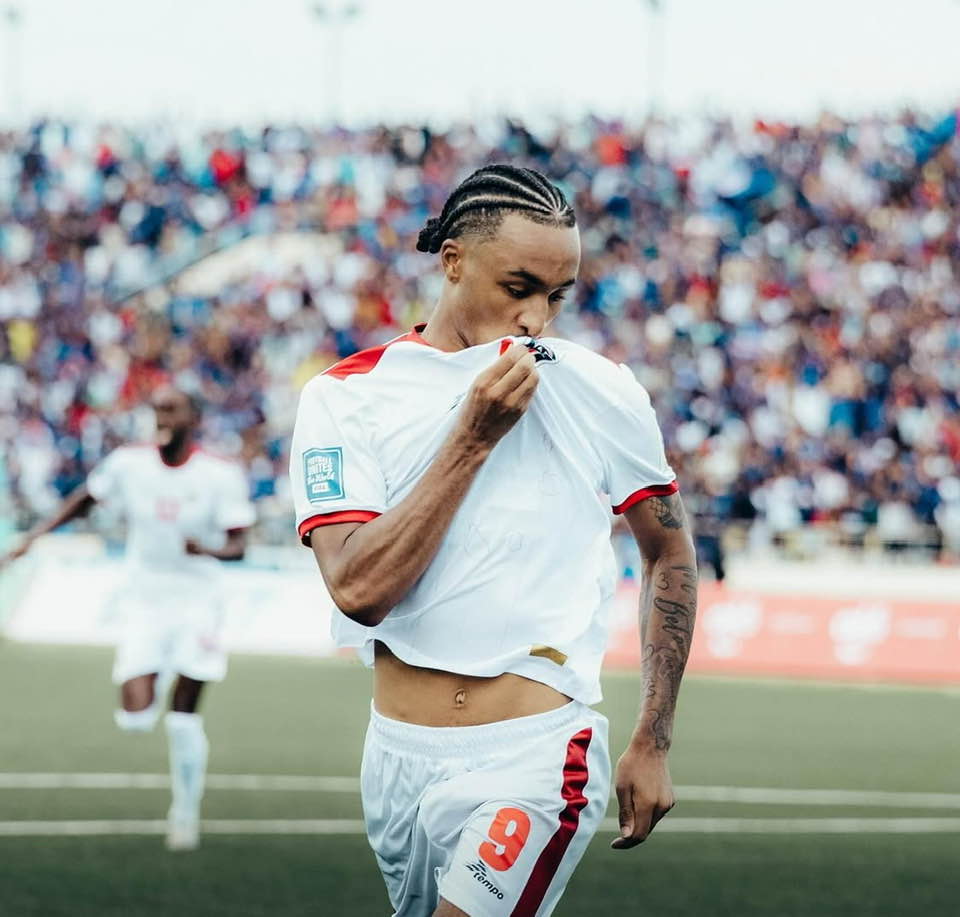
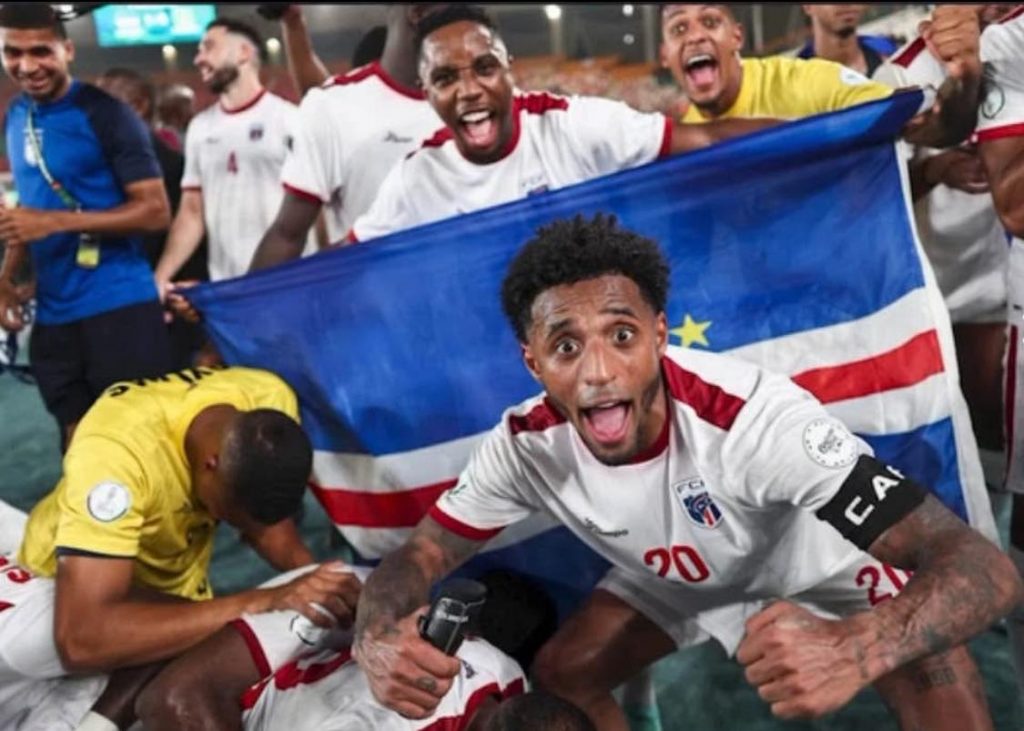
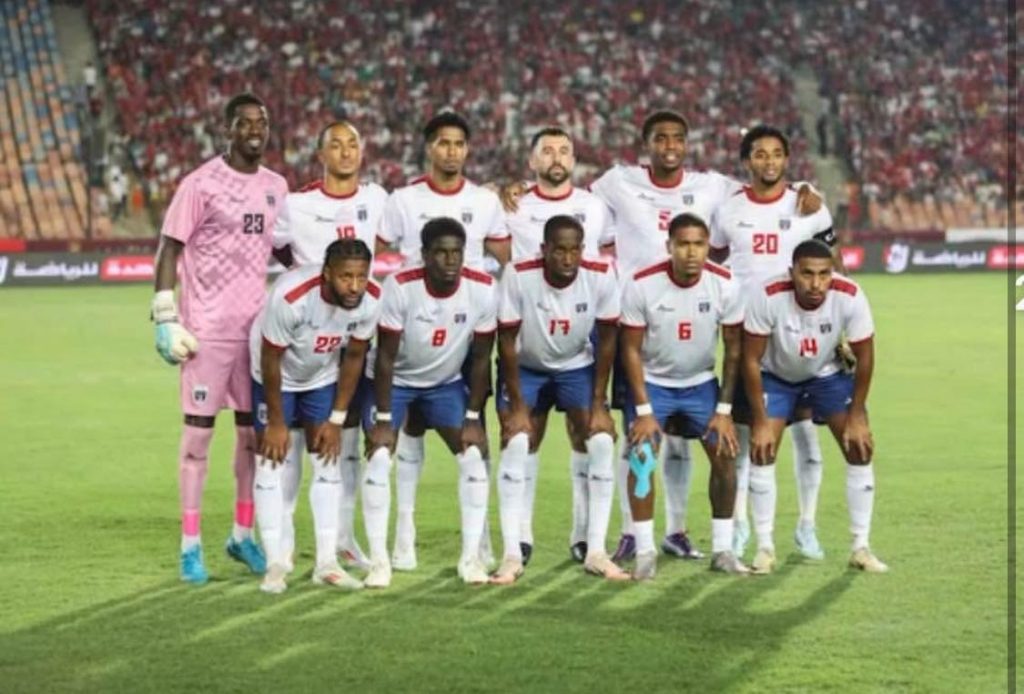
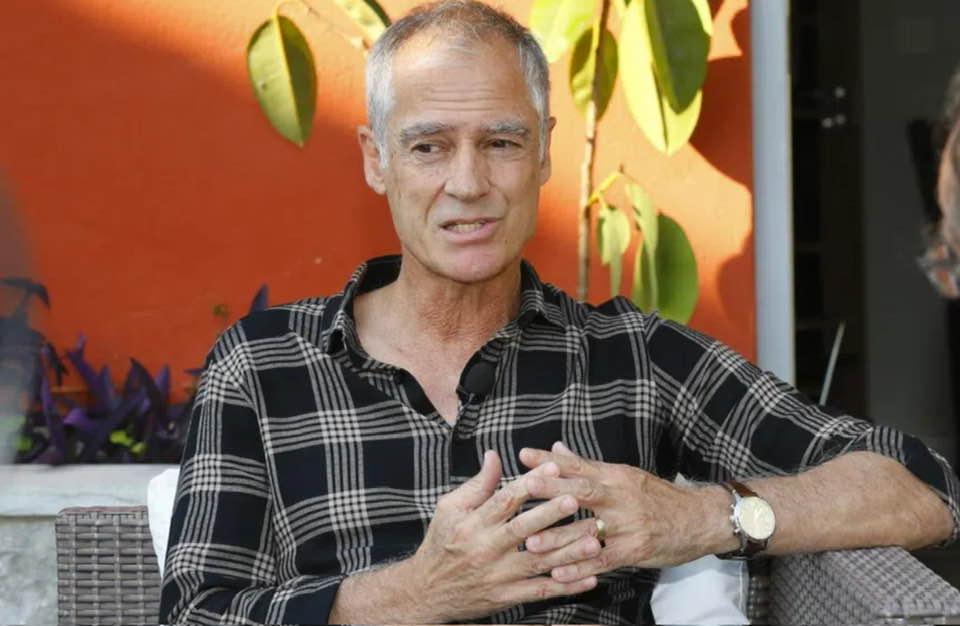
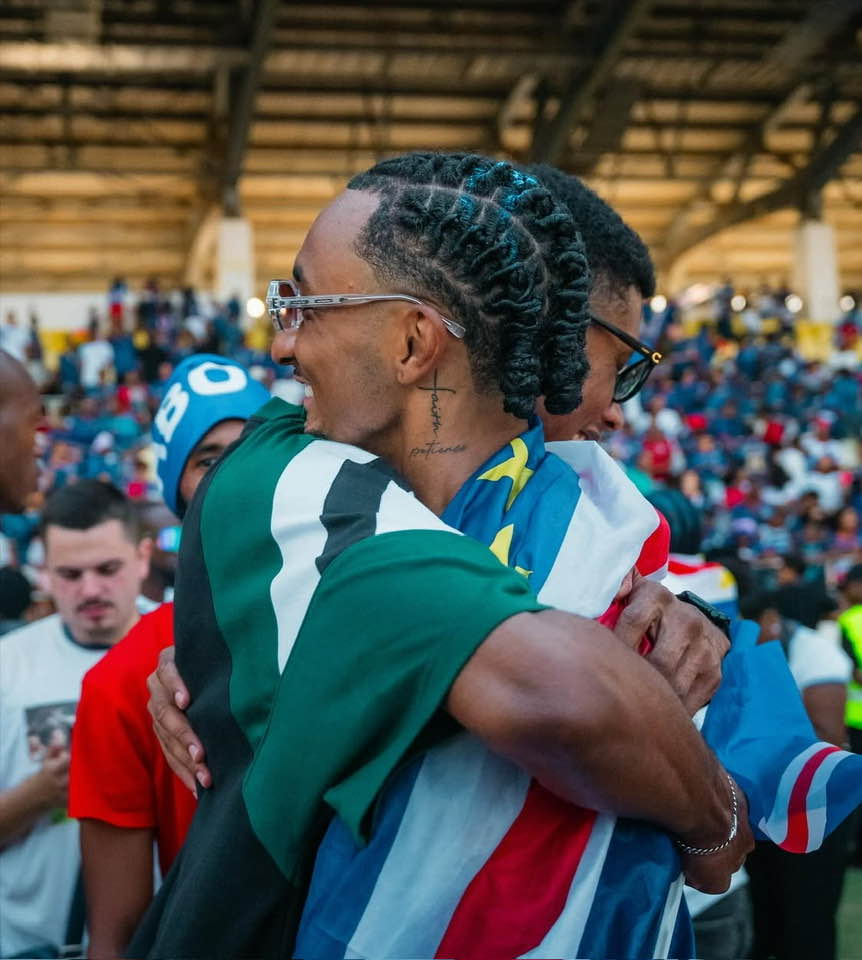
This historic qualification for a maiden World Cup appearance marks a dramatic turnaround for Cape Verde, who finished last in a 2025 Africa Cup of Nations qualifying group, winning only one of six matches
The positive impacts of footballers born to African migrant parents in Europe on the national teams of their ancestral countries are huge. These players who have come through the European development system are the category the French call “bi-nationaux”, that is, players with dual nationalities.
As power houses in African football like Nigeria, Morocco, Senegal, Algeria, the African champions Cote D’ivoire and many more are benefiting from this source, the impact on some of Africa’s smaller countries like Cape Verde Islands —— a former Portuguese colony that in the 1990s is still intermittently entering continental qualifiers —— has been even more marked.
Cape Verde is an island country and archipelagic state of West Africa in the central Atlantic Ocean, consisting of ten volcanic islands with a combined land area of just about 4,033 square kilometres.
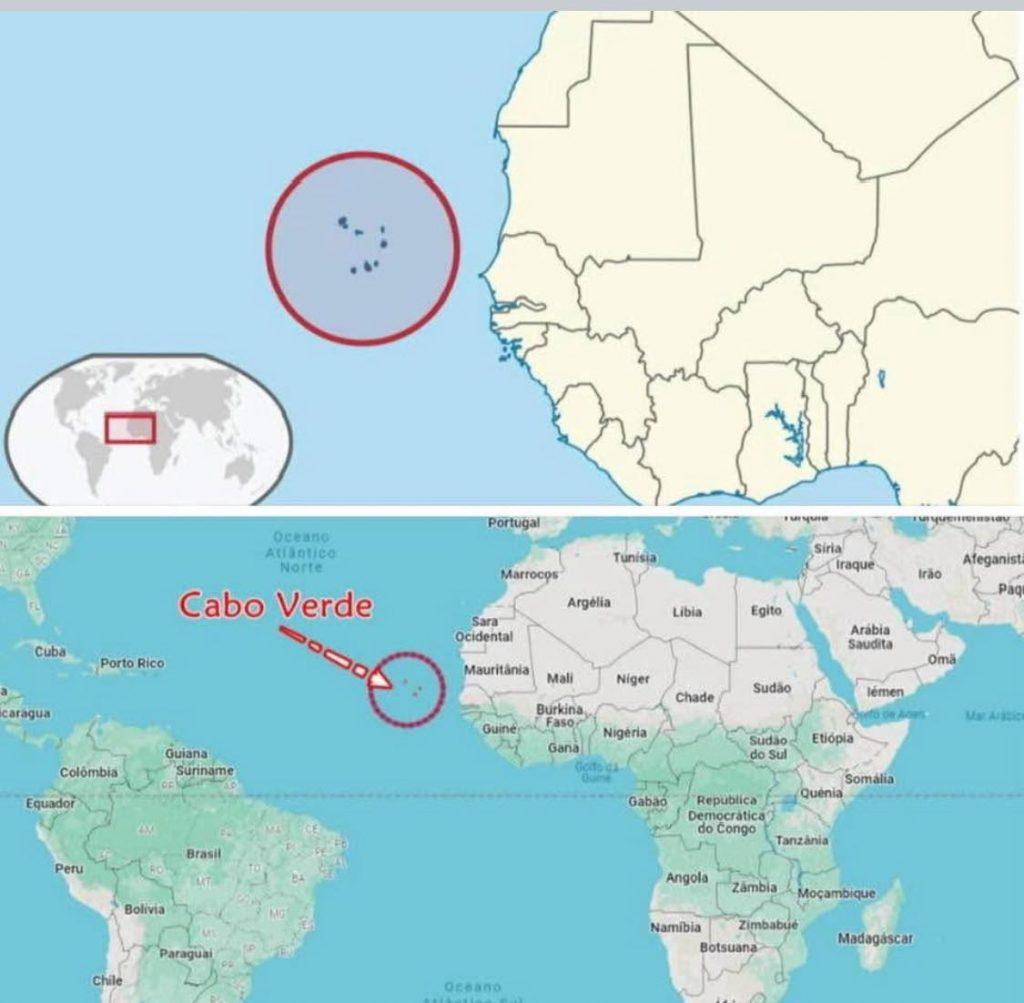
These islands lie between 600 and 850 kilometres (370 and 530 miles) west of Cap-Vert, the westernmost point of continental Africa. The islands form part of the Macaronesia ecoregion, along with the Azores, the Canary Islands, Madeira and the Savage Isles.
These tiny Portuguese-speaking Islands that littered the Atlantic Ocean often did not have the means or the players to compete in the World Cup or Cup of Nations qualifiers but they have now qualified for Africa Cup of Nations four times (2013, 2015, 2021 and 2024) inside the past decade and they are the surprise package of the CAF zone of the 2026 FIFA World Cup qualifiers in a remarkable ascent up the ladder of African football success, largely on the back of efficiently scouring the world for talent to strengthen their national team.
Cape Verdeans abroad, who are more numerous than the 524,877 inhabitants of the little islands themselves, are a major source of players for the national team.
Many of the squad now were born to parents who left the colonies to work in Portugal. Cape Verde also has a sizeable community in the Netherlands, especially in the suburbs around the harbour in Rotterdam.
Playing for Cape Verde has proven to be a life-enhancing experience for Lopes in all ramifications.
With every international break, his Portuguese Creole improves, as does his understanding of what it means to be a Cape Verdean.
Carlos ‘Caluccha’ Lopes, Roberto’s father, left Cape Verde at the age of 16 to work as a chef on international transport ships for 15 years before eventually settling in Dublin with Roberto’s Irish mother.
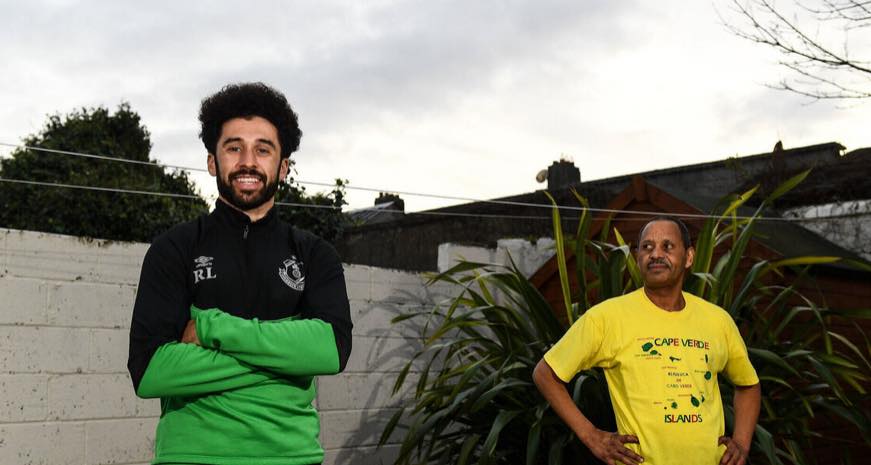
But with Lopes now representing the Blue Sharks and on the verge of a historic World Cup appearance, the Cape Verde international says his father is not only so proud of him but has also been able to reconnect with the nation he left so long ago.
“Aye, he’s so proud which is great,” smiles Roberto.
“It’s brought more of the Cape Verdean side out in him, and he’s constantly giving me updates of back home and how my cousins are doing.”
Thanks to his now regular visits to Cape Verde, Lopes has also connected with his cousins. He now visit Cape Verde every offseason to spend more time on the islands with his grandfather.