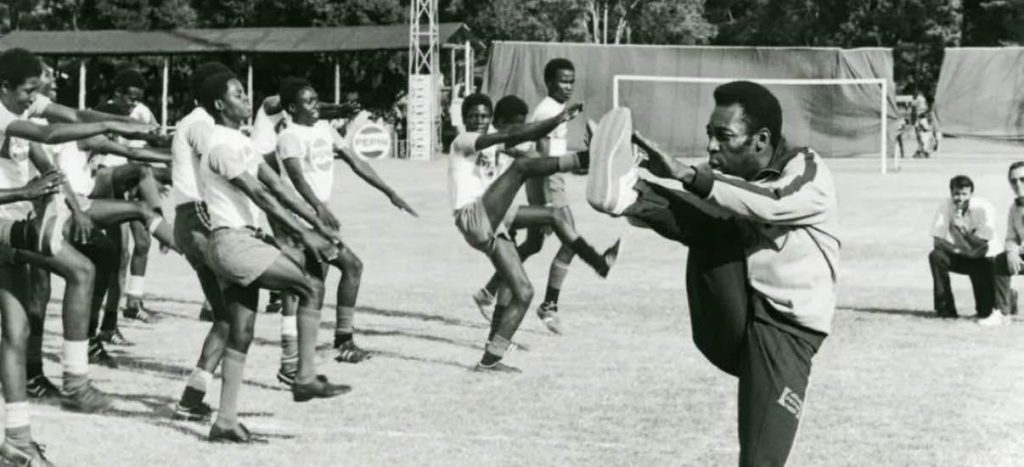



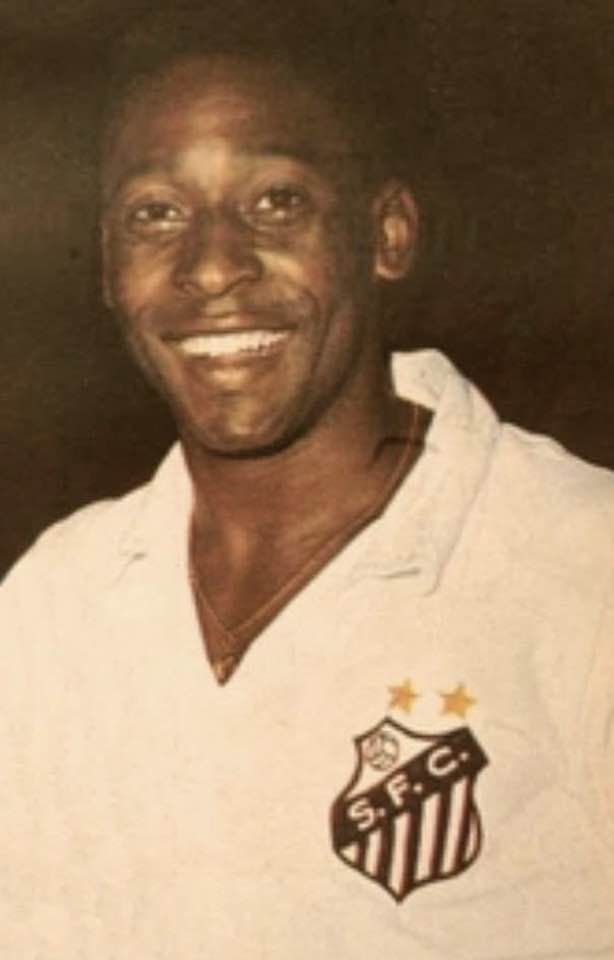
Edson Arantes do Nascimento popularly known as Pelé In early 1969 was part of the Santos FC’s squad that went on tour in Africa.
Santos’ arrival in Africa came a year ahead of Brazil’s much-celebrated third world title, claimed in Mexico in 1970, Pelé was seen as an African sporting icon, given his ancestry on the continent.
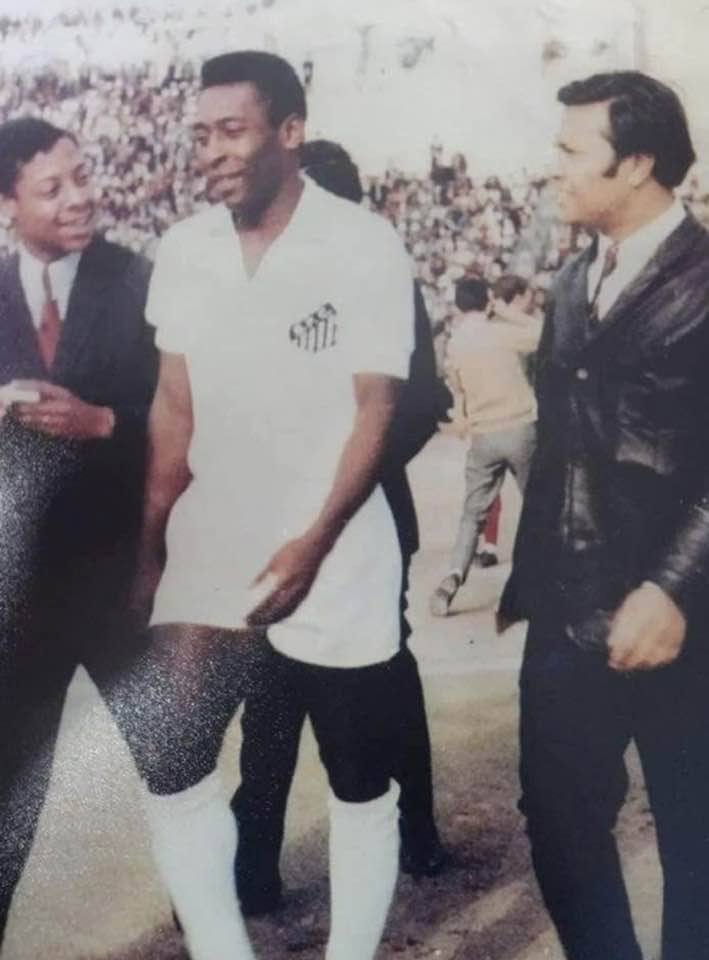
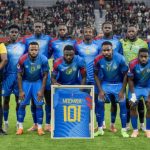
Santos played 2 matches in Kinshasa against the Congo national team and won the first match 3 – 2 with Pelé scoring three goals in the second half to secure the Brazilians comeback after trailing 0 – 2 in the first half. A few days later on 23rd January 1969 in another match against Congo, Pelé again scored twice, but Santos ended up suffering their first defeat to an African side. The result was celebrated as a huge carnival in the capital with that day declared a public holiday.
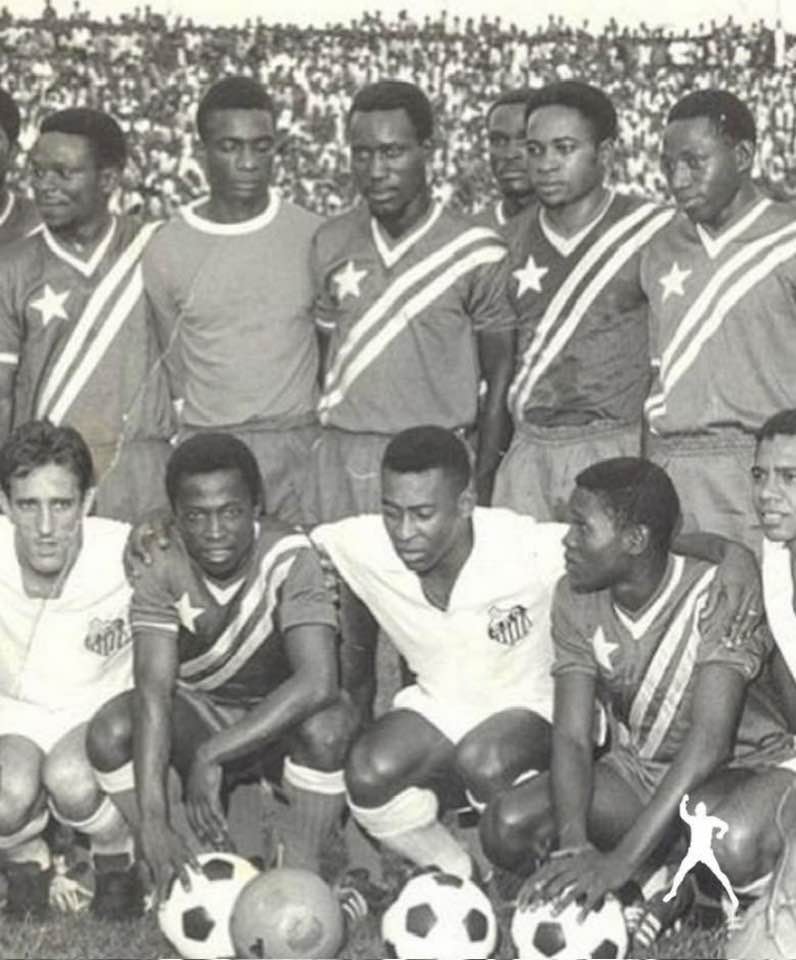
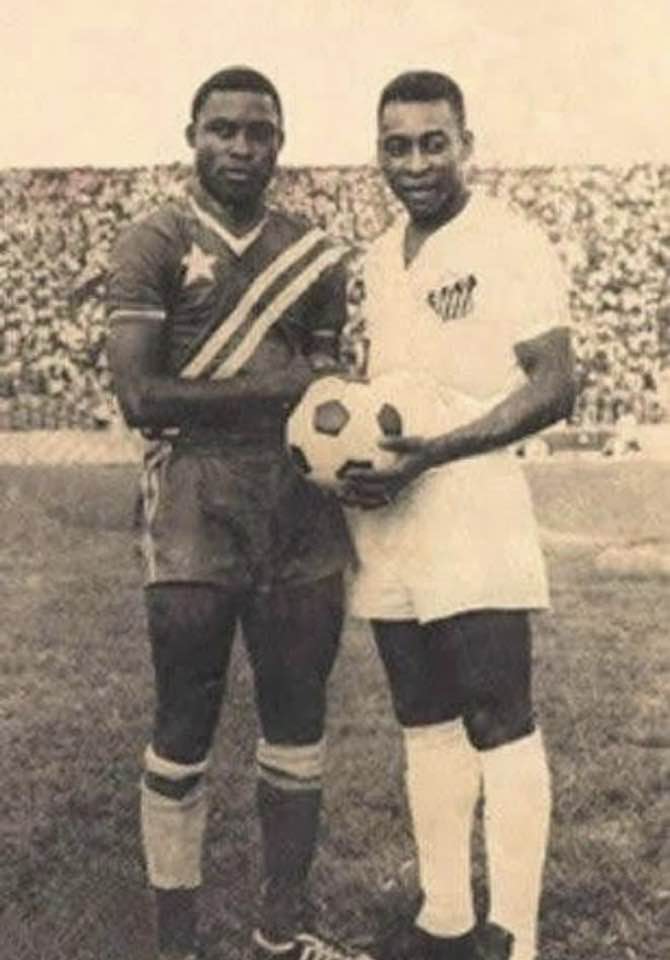
With a star studded roster that included the likes of fellow Brazil legends Carlos Alberto and Pepe, Santos’ so-called ‘Santasticos’ spent much of the 1960s cashing in on their global fame, heading out on exhibition tours across multiple continents.
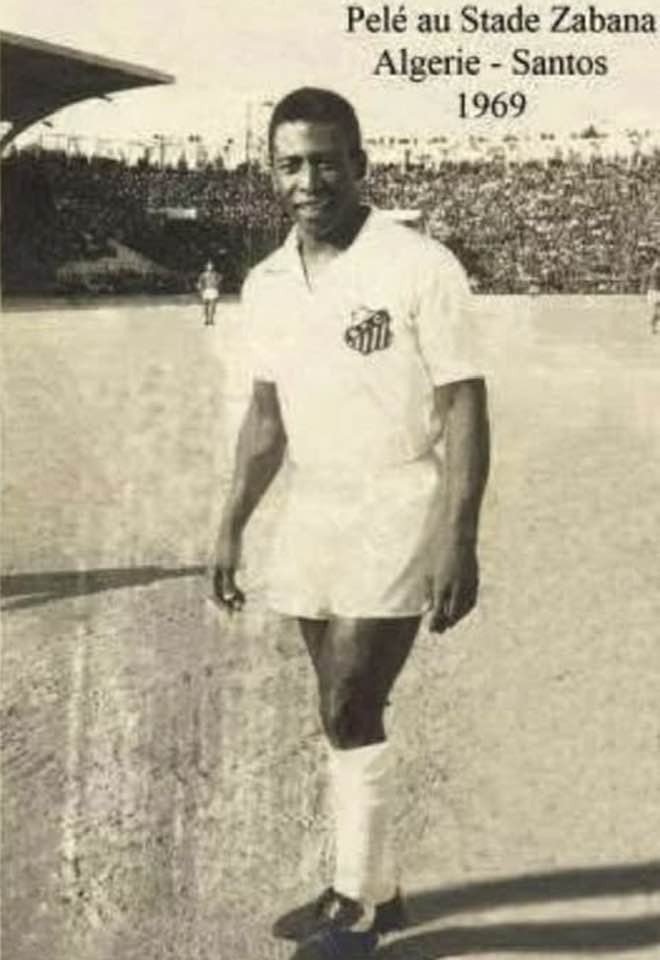
This tour across Africa also included stop-offs in Algeria, Ghana, Mozambique and Nigeria.
Aged 28, Pele was already a two-time World Cup winner, having burst on to the scene as a precocious 17-year-old in 1958, scoring six goals as Brazil won their first title in Sweden. The Seleção made it back-to-back World Cups in Chile in 1962.
Mozambique’s Estádio da Machava, formerly Estádio Salazar also featured in the history of the Brazilian soccer legend Pelé and his home club Santos.

It was in 1969, a year after the inauguration (June 1968) of the Stadium, that the Santos team visited Maputo (then Lourenço Marques) and the Infulene Valley for a friendly match with FK Austria Wien, still part of the Stadium’s festivities.
The match took place on February 1st, before an audience of around 20,000 people and was a 2 – 0 with Santos winning, with goals by Lima and Toninho.
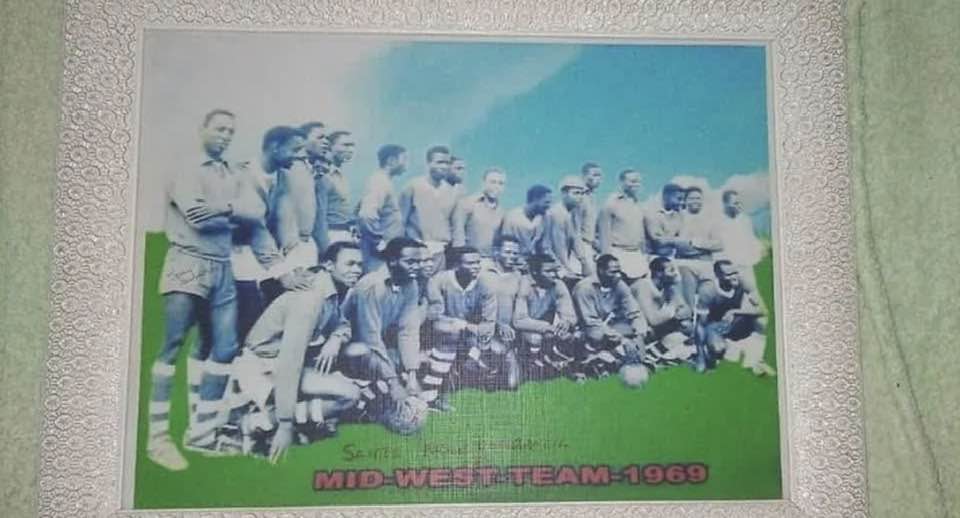
After jetting out of Mozambique, Santos FC headed straight to Nigeria at the peak of the Nigerian civil war where they played 2 matches, the first one in Lagos against the Nigerian national team then known as the Green Eagles which ended 2 – 2 and the last one on 4th February 1969 in the Nigeria’s Mid-western city of Benin against a selected side in the region and the match ended 2 – 1 in favour of the Latin American visitors.
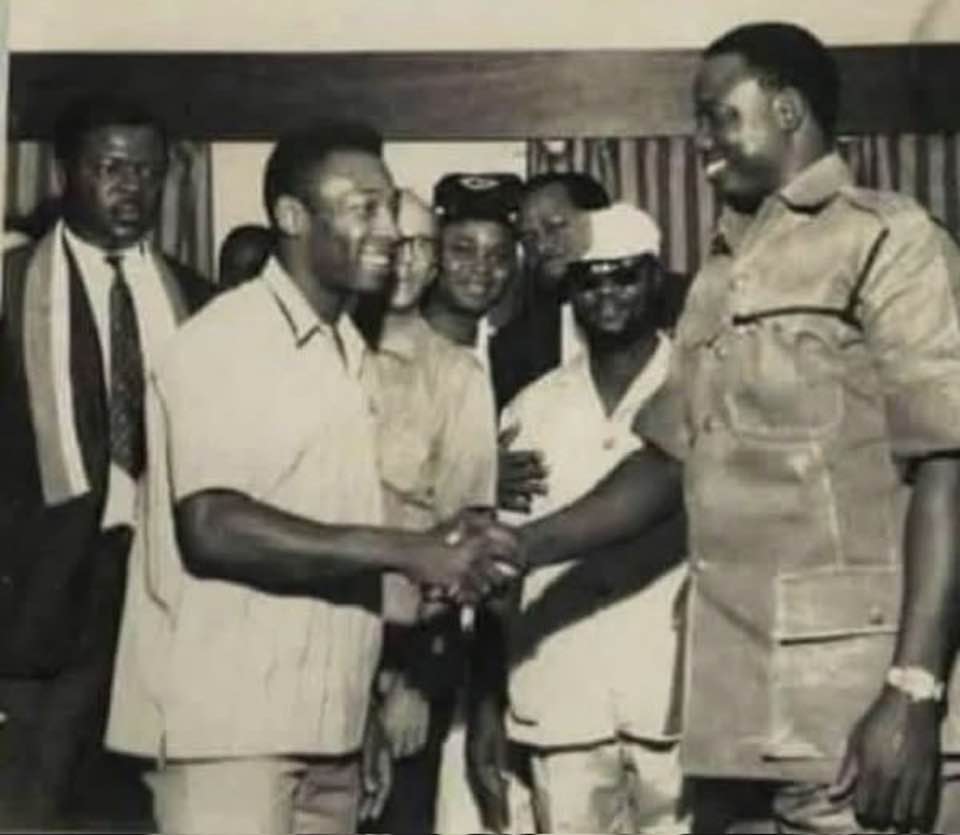
Brazilian legend Pelé visited war-torn Nigeria in 1969 as part of Santos FC’s tour. He was welcomed by Military Governor Lt. Col.
Samuel Ogbemudia and played an exhibition match at the newly built Ogbe Stadium, showcasing his talent amid the turmoil of civil war. It was a powerful moment of solidarity and joy for a country in conflict.
“It was quite striking to see Pele in person because we all read about him as a young player who helped Brazil win the World Cup in Sweden,” said Jonathan Ofugere, who at the time was president of the West African Football Union (WAFU).
“We were proud that a player of African origin, born in Brazil, could put up such a show.”
On the 6th February, 1969 in Ghana, Accra Hearts of Oak were held to a 2-2 drawn game by a Pele-led Santos FC of Brazil in an international friendly at the Accra Sports Stadium.
Striker Abeka Ankrah opened the scoring midway in the game but Edson Arantes do Nascimento Pele struck to pull the visitors level before the break.
Not in the mood to be outdone, Ghana’s own “Pele” Amusa Gbadamoshie, restored Hearts’ lead in the second half, but midfielder Edu earned the great Brazilian side a deserving draw.

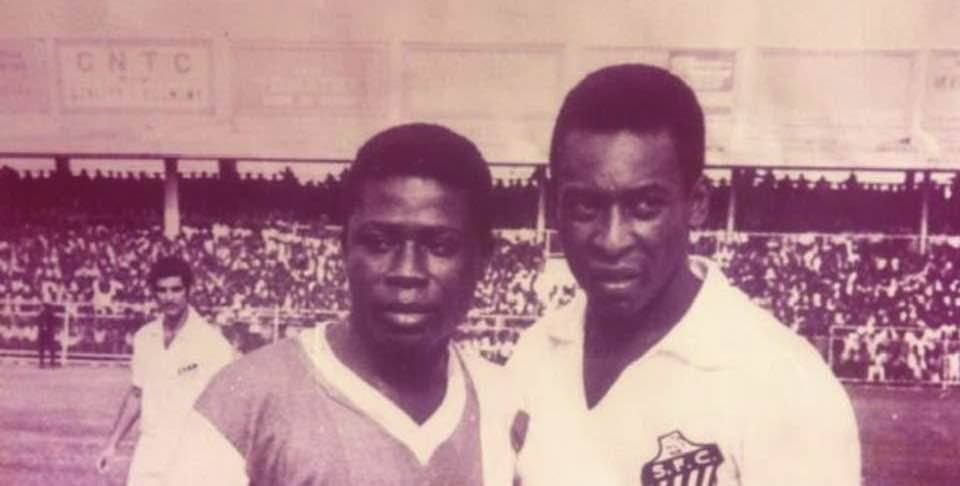
The Brazilian giants played 9 games on the continent. They won five, drew three and lost just one, and scored and conceded 19 and 11 goals respectively.
Pelé took his tour’s tally to 7 goals when he netted the equalizer against Hearts at the Accra Sports Stadium, but he made it 8 goals, and became Santos’ top-scorer on tour, on the African continent when he scored against Algeria three days later in the city of Oran.
For Africa, Pelé’s journey in 1969 became a powerful, enduring lesson told in two acts.
His arrival in Algeria meant to be a moment of post-independence celebration, became the backdrop to a silent coup, a stark reminder of the fragility of nationhood and the ever-present shadow of political instability looming over the continent.
In Nigeria Pelé and football became something transformative. In a nation fractured by a brutal civil war, his presence sparked an almost miraculous ceasefire, a rare moment of unity forged in the shared passion for the beautiful game.