



Dunia Sibomana was born into the kind of childhood that rarely makes headlines. In the hills of eastern Congo, life moved to the rhythm of ordinary dreams, dusty football games, laughter with cousins, the protective shadow of older siblings, and the simple certainty that tomorrow would look much like today.
Before the world knew his name, before cameras followed him onto wrestling mats, he was simply a little boy trying to grow into himself.
At six years old, Dunia loved to run. He loved competition, noise, movement. Friends and family remember a child who seemed permanently in motion, restless in the way healthy children often are. No one looking at him then could have imagined how violently his life was about to split into two parts: before the attack, and after it.
The attack came without warning.
Near Virunga National Park in the Democratic Republic of the Congo, Dunia, his brother, and his cousin encountered a group of chimpanzees. What followed was not the kind of horror most people can even picture clearly.
The animals mauled the children with devastating force. By the time it ended, Dunia’s brother and cousin were dead. Dunia survived, but survival came at a terrible cost.
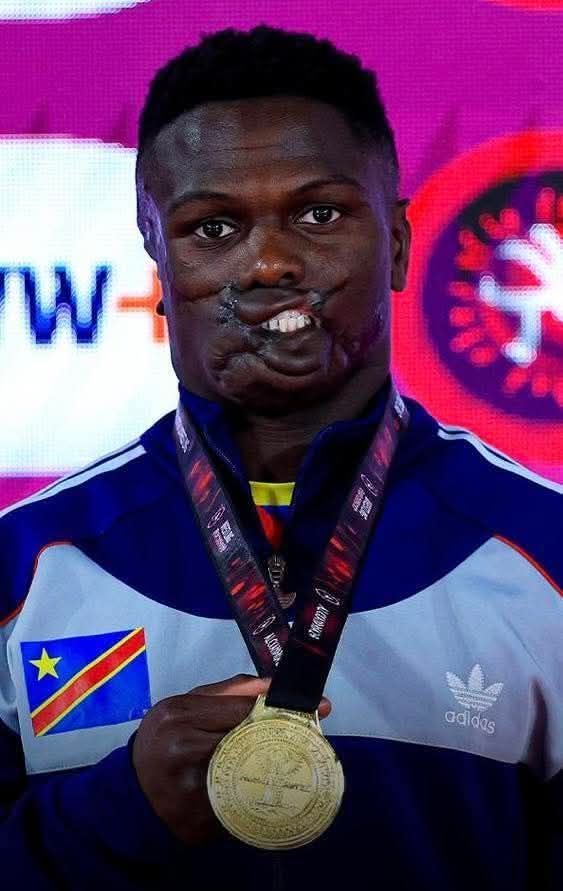
The chimpanzees tore away much of his face. His lips were gone. Part of his ear was missing. One finger had been severed. Deep muscle tissue had been destroyed. The physical pain was enormous, but the emotional wound that followed would cut even deeper.
Children stared.
Adults recoiled.
Some looked away entirely.
For years, Dunia carried not only scars, but the unbearable feeling that people saw the scars before they saw him. In many communities, visible disfigurement can become a social sentence. He became isolated, mocked, whispered about. The mirrors were cruel enough; the reactions of others were worse.
And somewhere inside that lonely stretch of childhood, hope began to thin.
There are tragedies that happen in a single moment. Then there are tragedies that repeat quietly every day afterward – in silence, exclusion, and the slow erosion of self-worth. Dunia endured both.
But life has an unpredictable habit of placing small openings in even the darkest corridors.
When he was eight years old, a charitable medical program brought him to the United States. It was the beginning of a long and painful reconstruction, not just of his face, but of his future. Surgeons performed more than a dozen operations, rebuilding his lips and facial muscles using tissue taken from his forearm. Each surgery carried risks. Each recovery demanded resilience far beyond his age.
What medicine restored physically, compassion slowly restored emotionally.
After being adopted by the Rodriguez family, Dunia began to rebuild a sense of belonging. He learned English. He adapted to a new culture. Most importantly, he discovered wrestling.
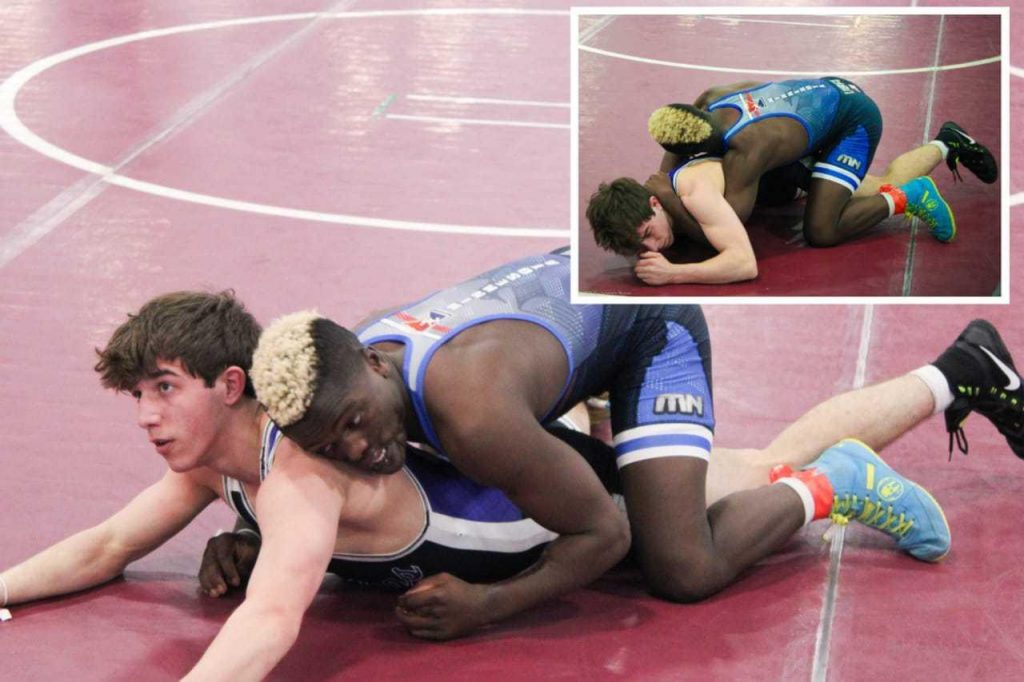
For many athletes, sport is ambition. For Dunia, it became identity.
Wrestling rewarded the qualities life had forced him to develop: endurance, discipline, pain tolerance, persistence. On the mat, nobody cared about symmetry or scars. There was only effort, technique, and will. The same face that once drew cruel stares now became a symbol of intimidation and courage.
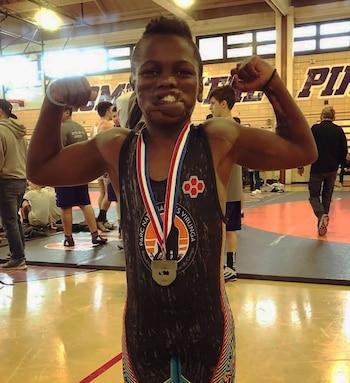
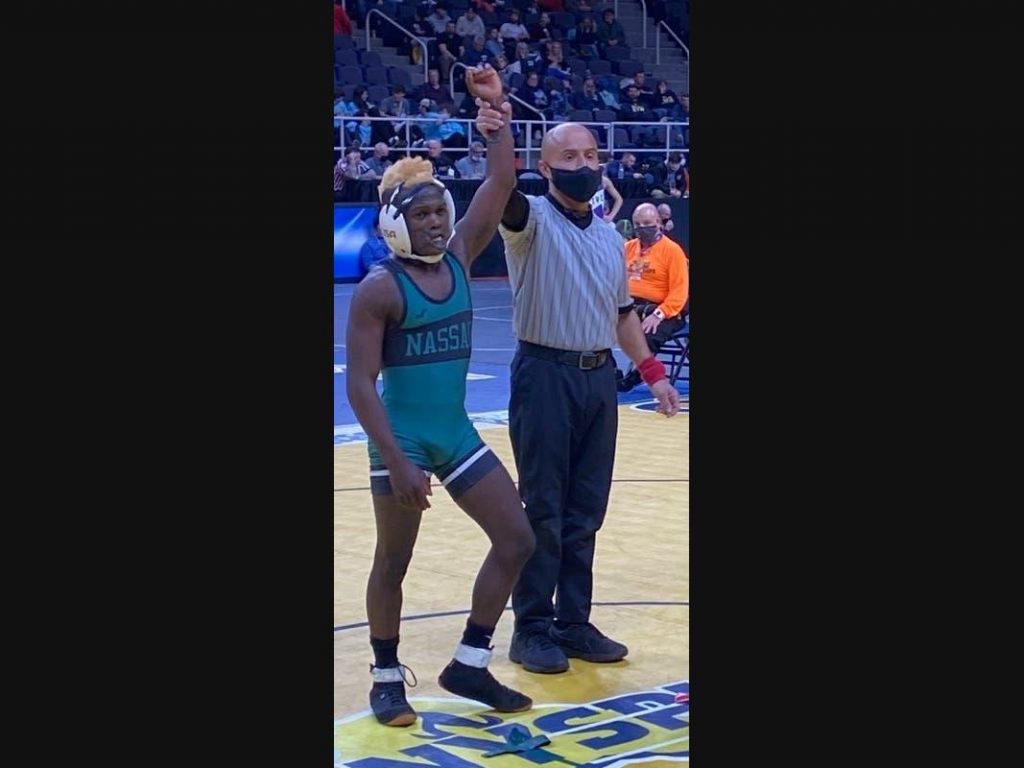
Dunia trained relentlessly. And then he started winning.
Local titles became state championships. State championships became national recognition. Eventually, Dunia stunned the wrestling world by capturing African championship gold medals in both youth and senior competition within days of each other – a feat that transformed him from an inspirational story into a genuinely elite athlete.
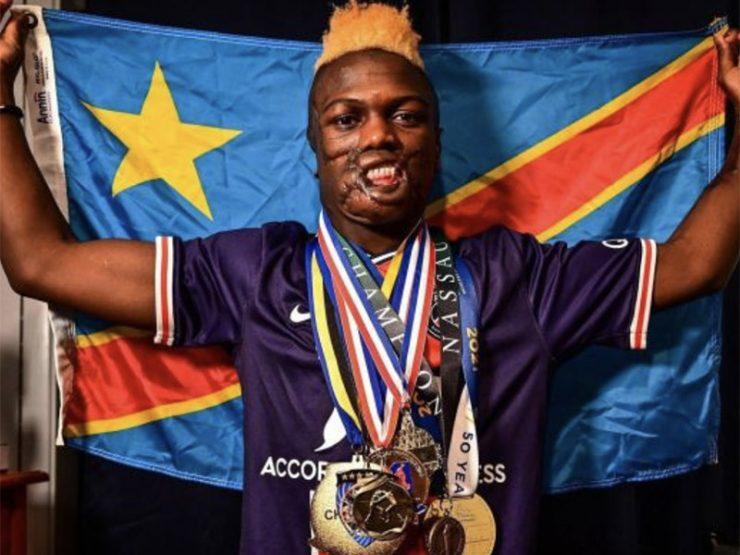

Yet what makes Dunia Sibomana extraordinary is not simply that he won. It is the way he refused to disappear.
In an age obsessed with perfection, filters, and curated beauty, Dunia competes in full view of the world exactly as he is. He does not hide his scars beneath shame or apology. He carries them openly, almost defiantly, as evidence of survival.
That visibility matters.
For people living with disabilities or facial disfigurement, the world can often feel designed around avoidance. Many spend years battling invisibility, pity, or the assumption that their lives have somehow been diminished beyond repair. Dunia’s presence challenges those assumptions without ever needing to preach against them.
His story is not inspiring because tragedy happened to him. Tragedy happens every day.
His story matters because suffering did not become the final definition of his life.
Some champions are remembered for dominance. Others for statistics.
Dunia Sibomana may ultimately be remembered for something rarer: teaching people that survival itself can become a form of strength, and that sometimes the most powerful victories begin long before anyone steps onto a podium.