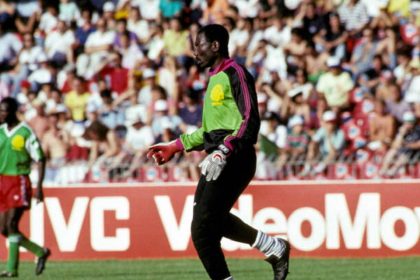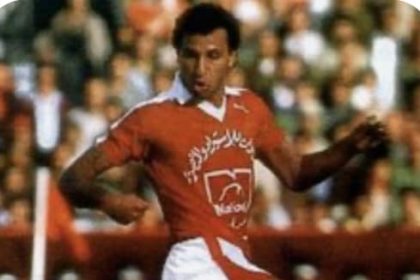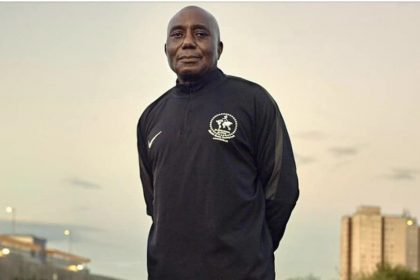






Born on 30 September 1968 in Aix-les-Bains, France, Hervé Renard began life far from the bright lights of international football fame. He played as a defender in the French lower leagues, including stints at AS Cannes, Stade de Vallauris and SC Draguignan, before winding down his playing career in the late 1990s.
After hanging up his boots he didn’t immediately proceed to high-profile jobs. He even ran a cleaning business in his hometown, collecting rubbish at odd hours.
Renard’s coaching journey began modestly when he managed Draguignan from 1999–2001. The Frenchman later worked under veteran coach Claude Le Roy who was then in charge of the Black Stars of Ghana during the 2008 Africa Cup of Nations (Afcon) but followed the white witchdoctor when he left the job after the tournament and continued to serve as his assistant in China with Shanghai COSCO in 2002-03.
He took charge of clubs in England (Cambridge United) and Vietnam, before returning to France with the National-level side AS Cherbourg.
His big break into African international football came in May 2008 when he was appointed head coach of the Zambia national football team. Under his guidance, Zambia reached the quarter-finals of the 2010 Africa Cup of Nations 2010 – the nation’s best showing in 14 years.
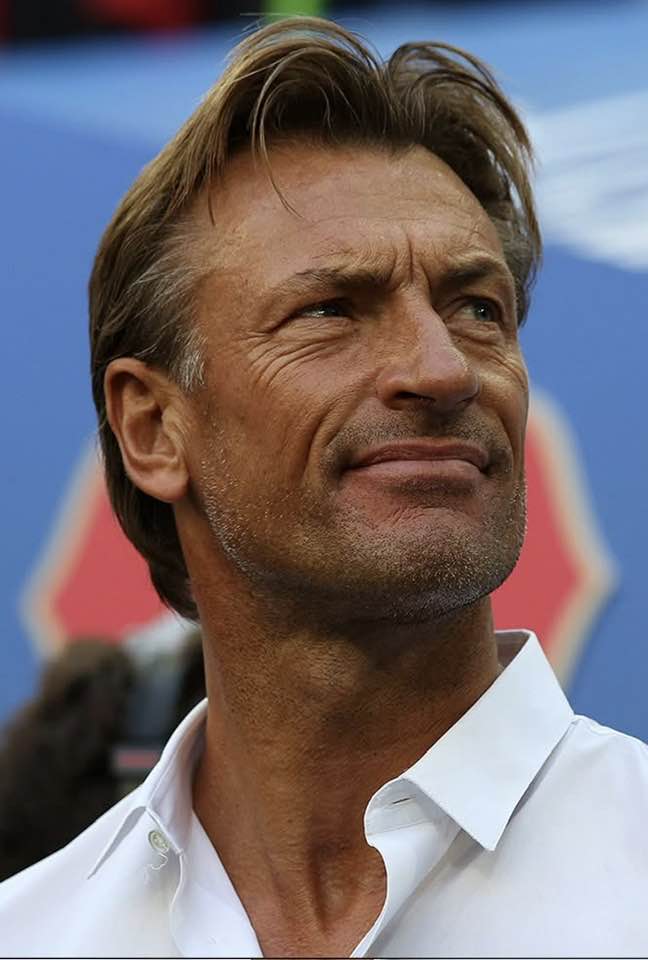
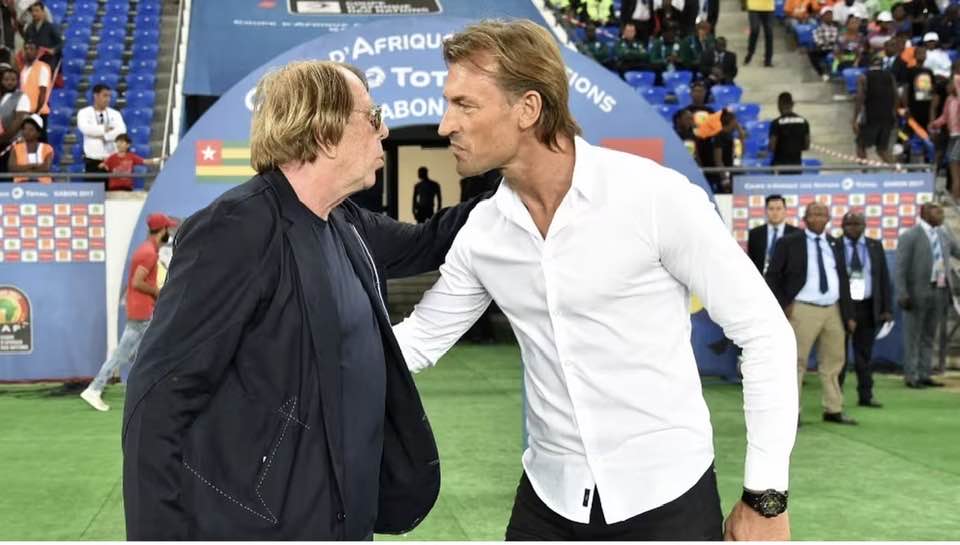
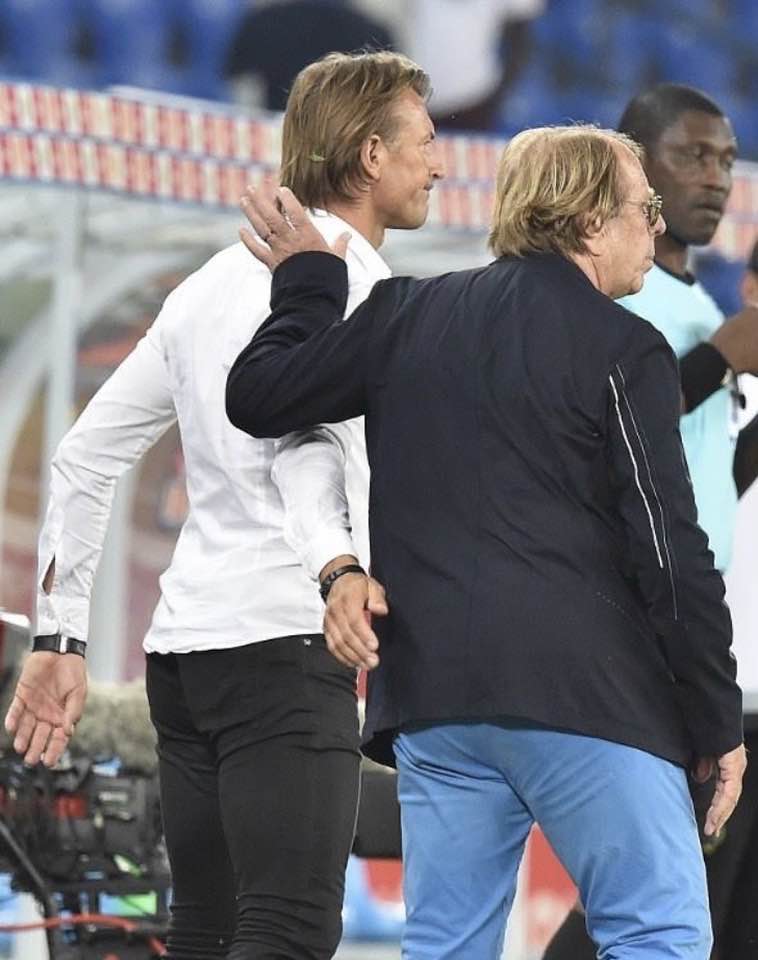
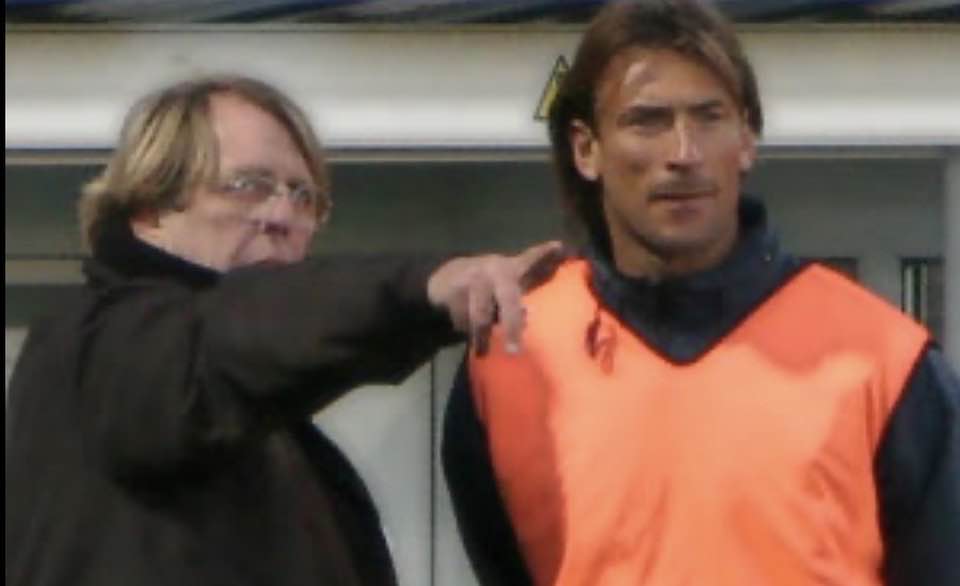
One of Renard’s standout qualities is his ability to build trust and understanding with African players. He has repeatedly spoken about the relationships he formed, respecting the players’ cultural background and tailoring his approach accordingly. His emphasis on discipline, mental strength and collective identity resonated deeply with players who previously felt under-challenged or under-prepared. He has admitted that he sometimes surprises people with his firmness, but that the players understand the standards he sets.
He also developed a reputation for being hands-on: for example, during his early days at Cambridge United a player recalled that Renard frequently exercised alongside his squad, demanding high fitness and intensity.
Renard’s first major milestone arrived in early 2012. Kalusha Bwalya has long been an admirer of his touchline antics, so after a change of government in September 2011, Kalusha Bwalya as the president of the Football Association of Zambia (FAZ) around this time called him back to coach the Zambian National team. Back in charge of Zambia for a second spell, he guided them to the 2012 Africa Cup of Nations title – the first in the country’s history.
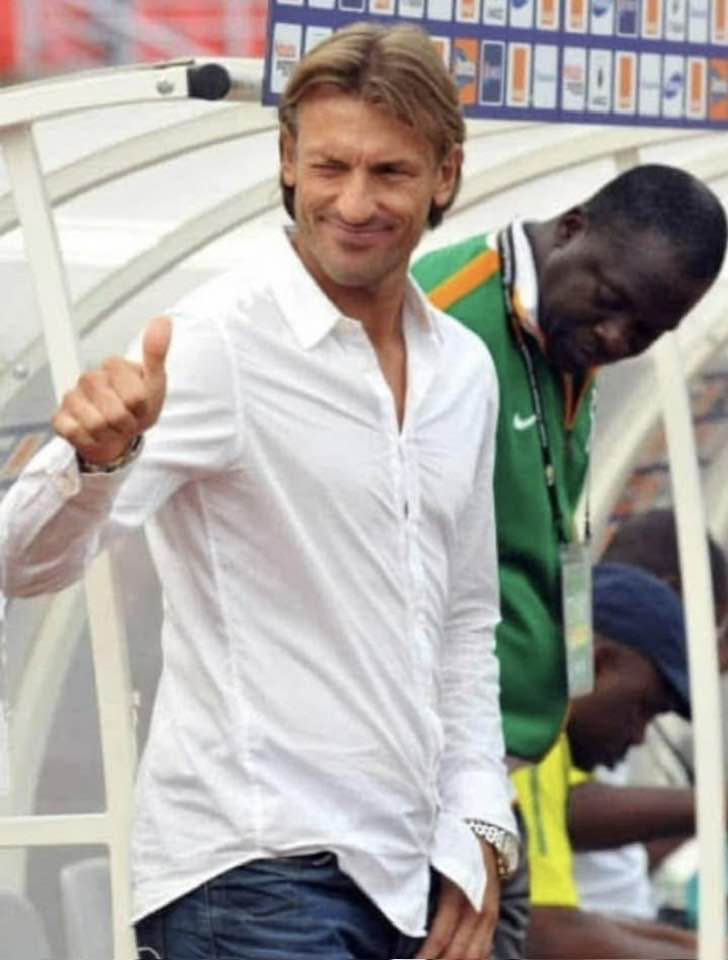
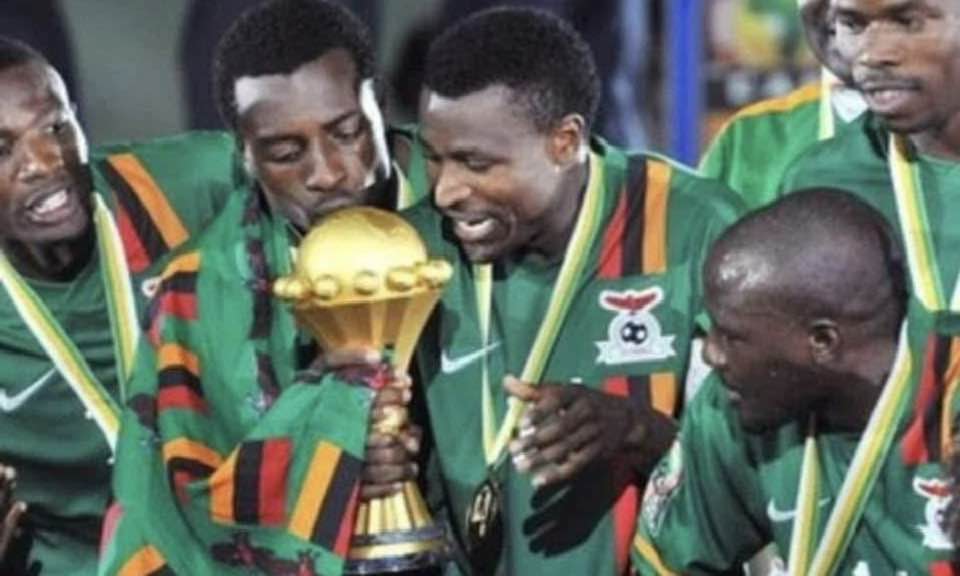
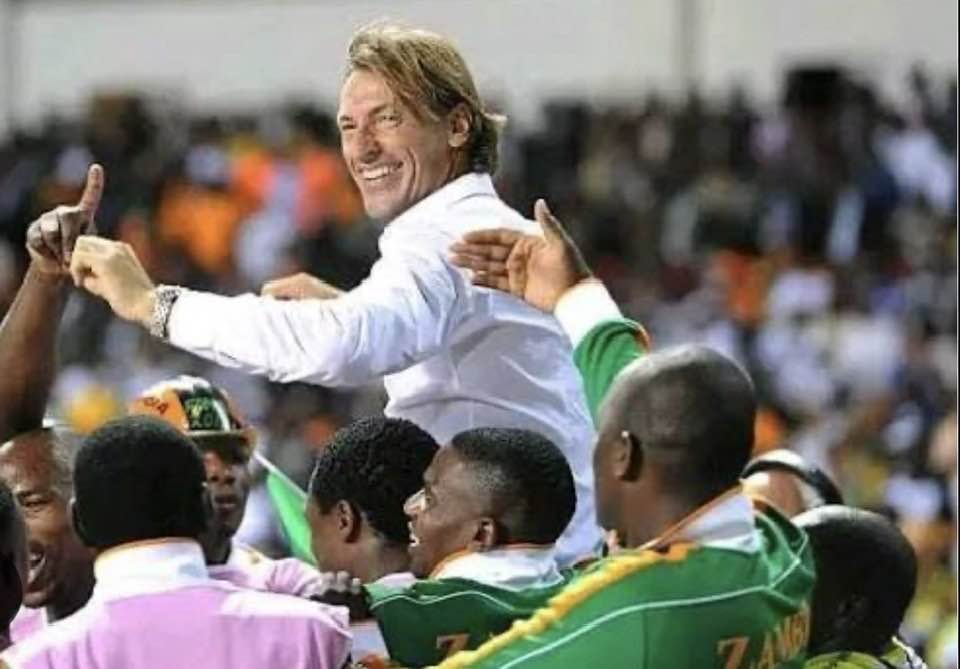
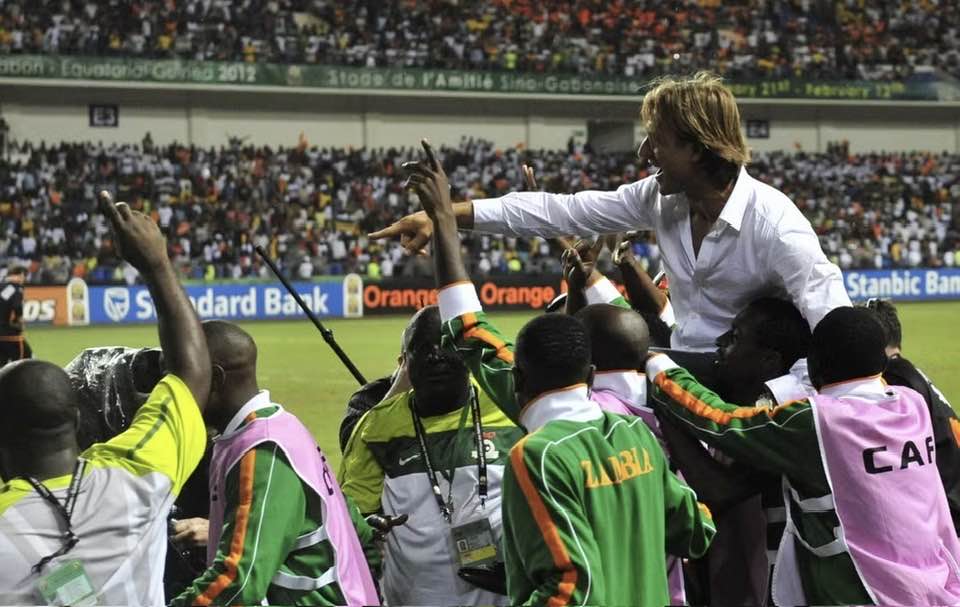
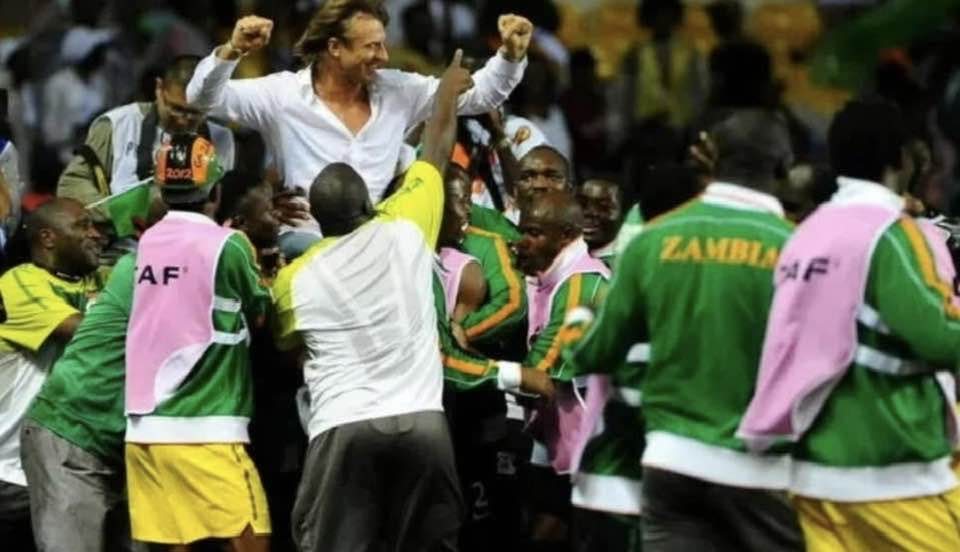
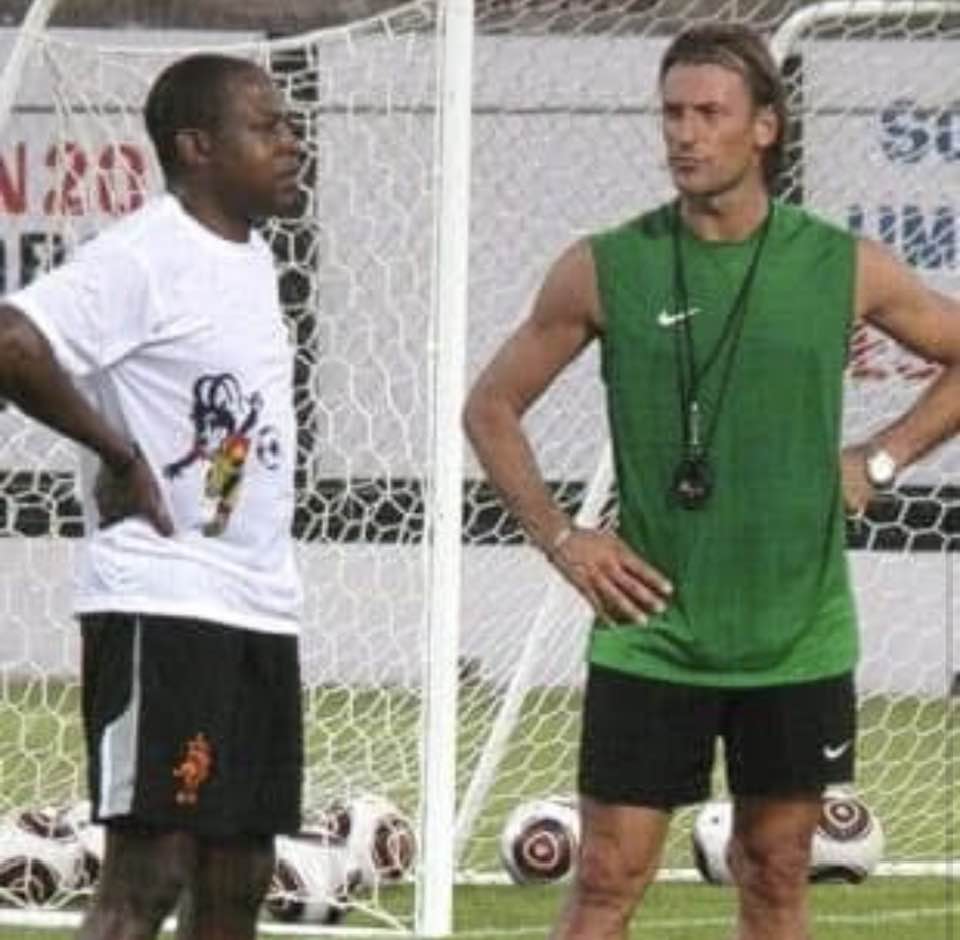
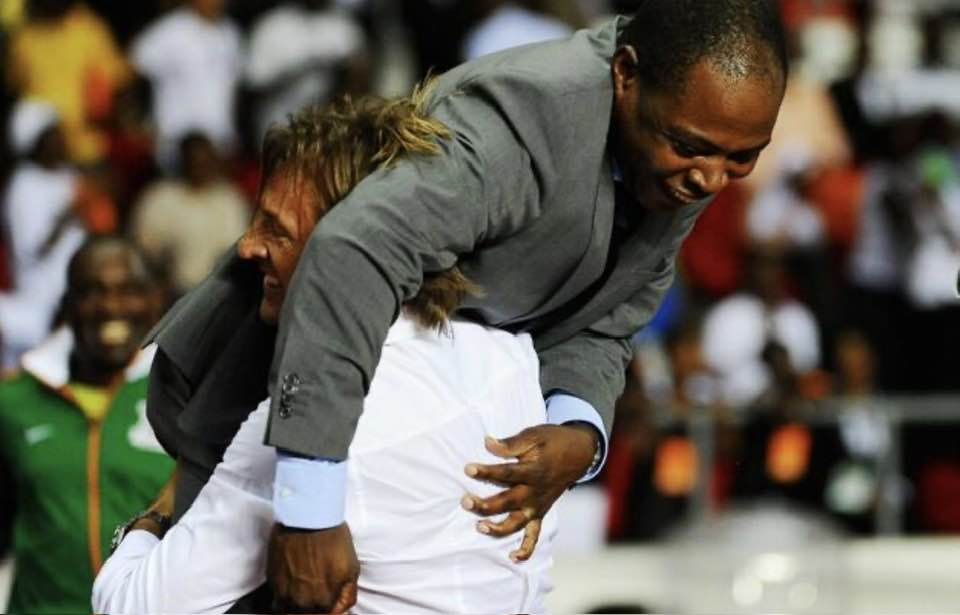
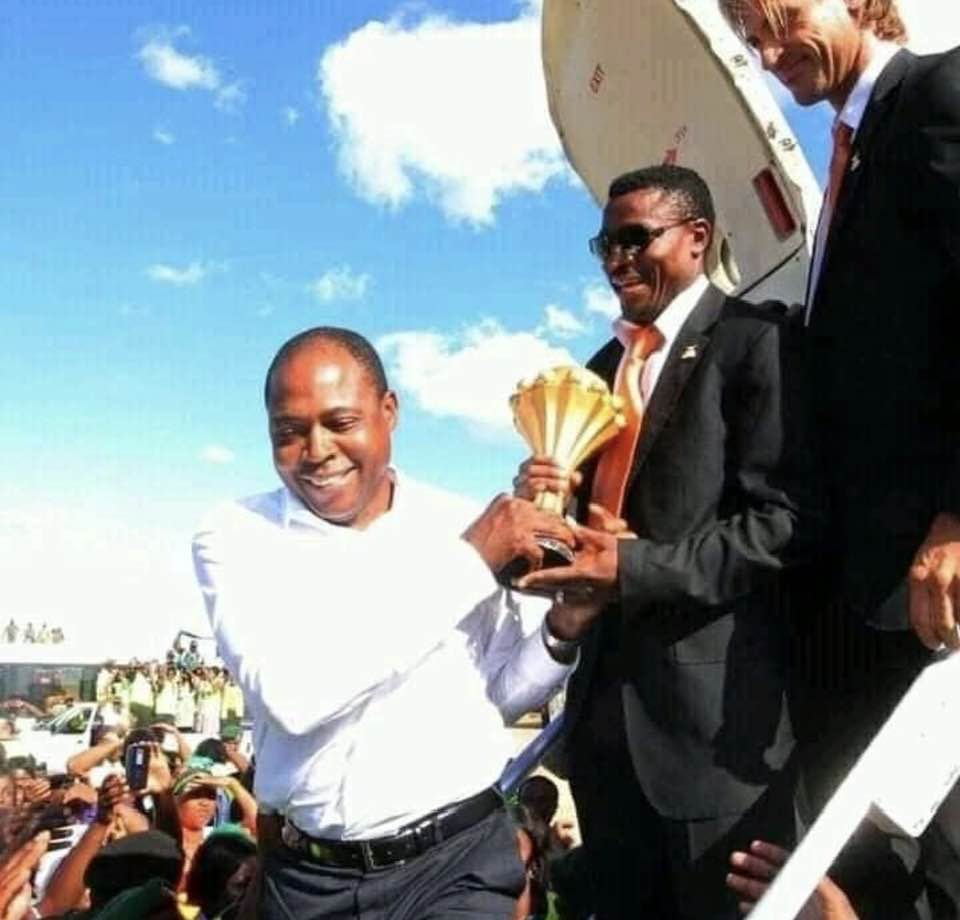
In the final, Zambia defeated the heavily-favoured Ivorian side on penalties, in a game laden with emotion because the final was staged near the site where the Zambian national team had suffered a tragic plane crash in 1993.
Renard’s strictness and unity-focused coaching style proved vital: he once physically reprimanded a player during the final for failing to maintain defensive positioning, demonstrating his no-nonsense approach. His success earned him the CAF Coach of the Year in 2012.
After various jobs (including a short spell at French club FC Sochaux) Renard took over the Ivory Coast national football team in 2014. In February 2015, he delivered his second AFCON title – this time with Ivory Coast – becoming the first coach ever to win the Africa Cup of Nations with two different nations.
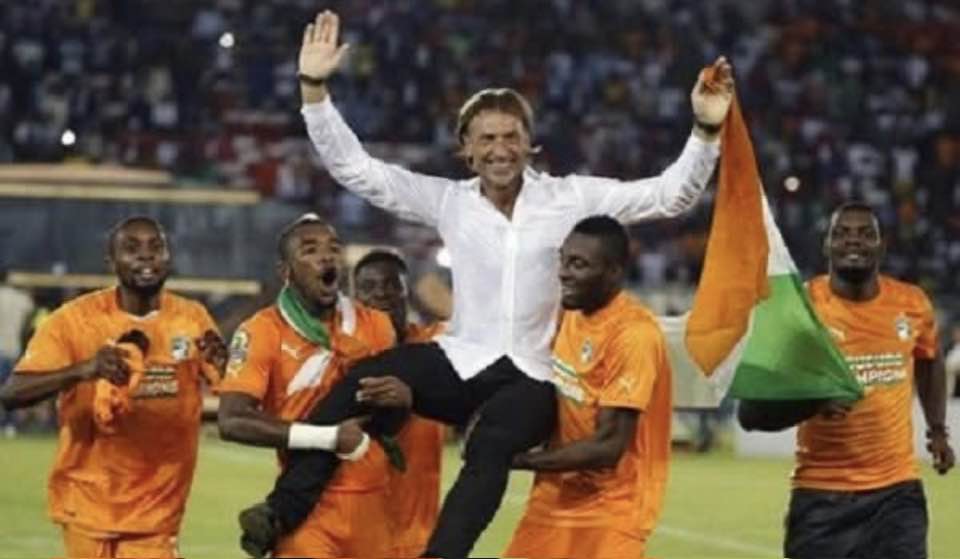

That final was again decided on penalties, this time against Ghana. His handling of star-laden squads like Ivory Coast showed his ability to manage big personalities and instill a collective mindset.
It is worthy of note that the two-time Afcon winner beat the Ghana Black Stars on his way to both feat.
Herve Renard later said during an interview that the disrespectful tag of a “physical trainer” while being a certified coach during his brief spell with Ghana spurred him on to want to prove a point.
After those African peaks, Renard continued to work with national teams: he managed Morocco national football team and led them to the 2018 FIFA World Cup 2018 – their first appearance since 1998.
In 2019 he became head coach of the Saudi Arabia national football team, and his tenure included a stunning 2 – 1 victory over Argentina at the 2022 World Cup.
More recently, he had a spell with the France women’s national football team and as of 2024 he returned to Saudi Arabia.
Renard’s achievements in Africa are notable not just because of the titles, but because of how he achieved them: arriving in countries with fewer resources, building culture and belief, serving as a motivator and tactician in equal measure. His deep respect for African players’ passion, his readiness to adapt (both tactically and culturally), and his insistence on professionalism earned him widespread admiration. As one commentary piece puts it: “African fans are calling him an ‘African legend’”.
Today, Renard continues to ply his trade at the highest level in international football. His return to Saudi Arabia signals his ambition to take on global challenges beyond Africa. But his legacy in African football remains secure – two AFCON titles, pioneering feats, and a reputation for elevating underdog teams. Whether he is working with established stars or lesser-known squads, his background – from cleaning business to international triumph-er – reminds us that success can be built on humility, hard work and connection.
From Aix-les-Bains to Lusaka and Abidjan, from underdog to champion, Hervé Renard has carved a remarkable path.