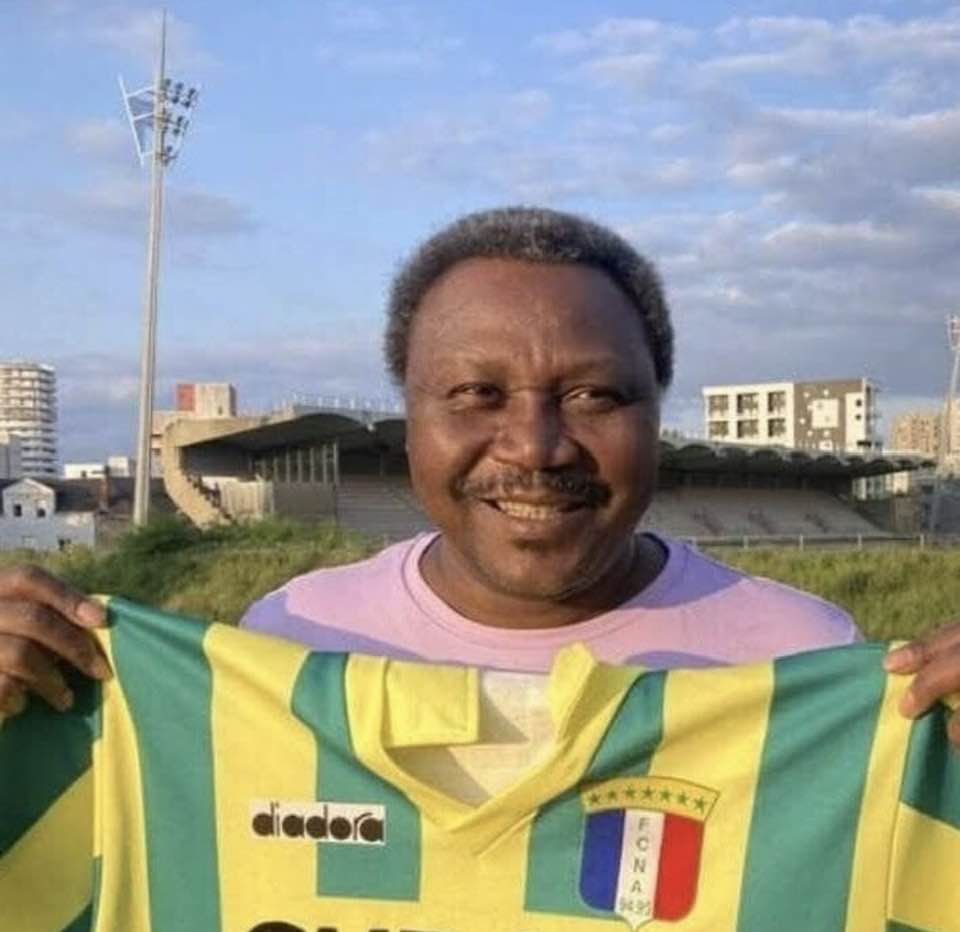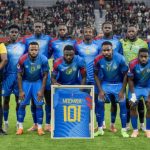



Japhet N’doram is certainly one of the most celebrated African footballers ever, and he is surprisingly from Chad Republic. The Chadian Football Federation was founded in 1962 and became affiliated to FIFA and CAF in 1988. Chad has never played a big role in world football. As a matter of fact the Chadian national team nicknamed “Les Sao” was ranked 190 out of the 194 FIFA affiliate countries of the 90s during the active playing years of Japhet.
But there is a saying that goes thus;
“The sun does not forget a village just because it is small.”
This African proverb reminds us that each country has a unique value and should not be overlooked or underestimated and that great things can emerge from unusual places.
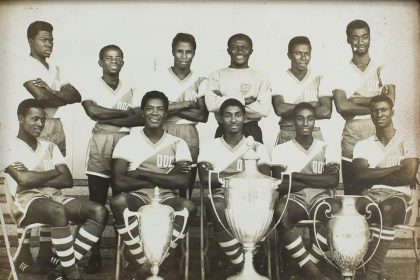
Among soccer players born in Chad in all history, Japhet N’doram ranks number one. After him are Ezechiel N’Douassel (1988), Abdullah Omar (1987), and Casimir Ninga (1993). Japhet grew up passionately supporting Tourbillon de N’Djamena, a premier league side in his home country Chad. The team’s training ground was located few meters away from his house in the capital. His older brother, Jonathan, who was eleven years his senior, played there and according to him, he used to bring Jonathan’s boots, socks and jerseys. Jonathan was his role model. Other young players came from far and wide to train there too. He spent his entire childhood around that field in Ardjoumal, a working-class neighborhood that was called Harlem City in the seventies.
Japhet N’doram played more as a team player, utilizing his technical finesse and quick movements. He was as skillful in front of goal as he is inspired in build-up play. There’s a touch of Salif Keita in this Chadian with his unique career path. Born into a large family in N’Djamena, he followed in the footsteps of his older brother, Jonathan Beassal (an international in 1976-1977), and played for the local club, Tourbillon. After spending the years 1979-1985 in the provinces, He returned to N’Djamena in 1986 to play again for Tourbillon. In 1988 he took his trade to Cameroon to take on a new sporting challenge.
At this period the Cameroonian league was one of the best in Africa. Abdoulaye Mamat, a Chadian international who played for Tonnerre Yaoundé, gave him the opportunity of trial there. The club was looking for a player to replace George Weah, who was leaving for Monaco. Abdoulaye did everything he could to convince the Tonnerre management, who had already spotted him during a tournament in N’Djamena. Such transfers between leagues were quite rare in Africa at the time.
When he arrived, Cameroonian observers were skeptical because he was very thin compared to the local players. But he compensated for this lack of physical presence with superior game intelligence. That year. He scored 15 league goals and won the Cameroonian Cup.
The part of his life that he described as the lowest in his autobiography was around this time, just days before an African Cup semi-final against Raja Casablanca in October 1989, Japhet suffered the heartbreaking loss of his older brother and as he desperately wanted to return to Chad for the funeral but the club’s management stubbornly refused to release him, so at this point he decided to ignore them, to follow his heart and packed his belongings in a bag and returned to Chad. Tonnerre was now a thing of the past.
The turning point of his destiny arrived at this dark period of his life. During a training camp with the Chadian national team in Saint-Brévin, France four months later, he was spotted by the regional technical coordinator for Loire-Atlantique, Marcel Mao, and he was taken to the Jonelière training center to play two matches at the Beaujoire stadium. His 2 goals in these matches were enough for the scouts to be convinced, this was when he received an invitation from FC Nantes for a trial which proved to be a success. But it was difficult at first because Nantes club already had two foreign players – which was the maximum quota that the European football governing body permitted in those days – one of the 2 players was the scorer of Argentina’s World Cup-winning goal in the Mexico 1986 FIFA World Cup, Jorge Burruchaga, so Japhet certainly had no chance of playing but he persevered and trained with the group during the week, but he had nothing to do on weekends. So he stayed all alone at Jonelière, which isn’t easy, especially at just 24 years old.
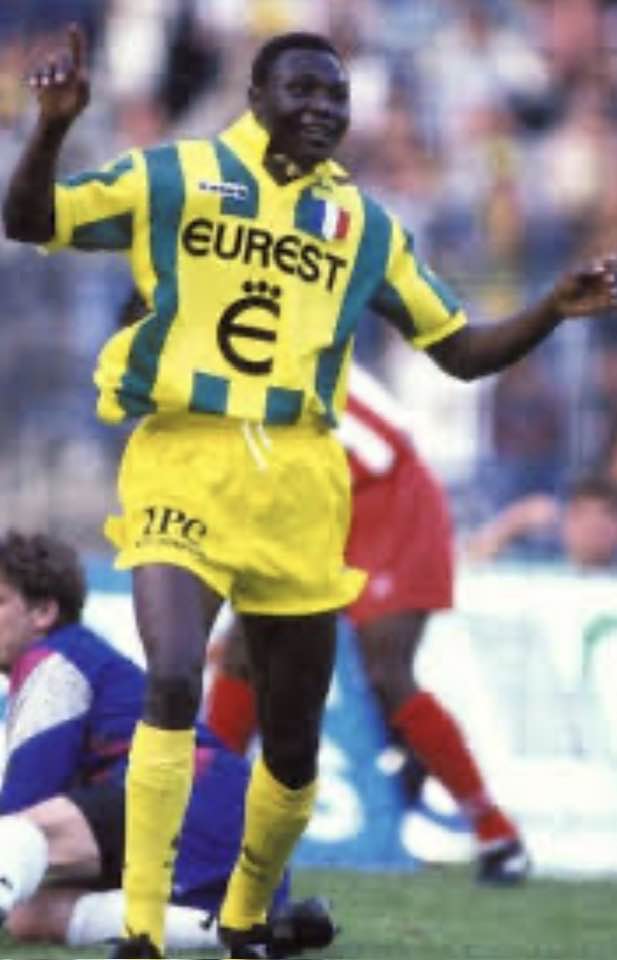
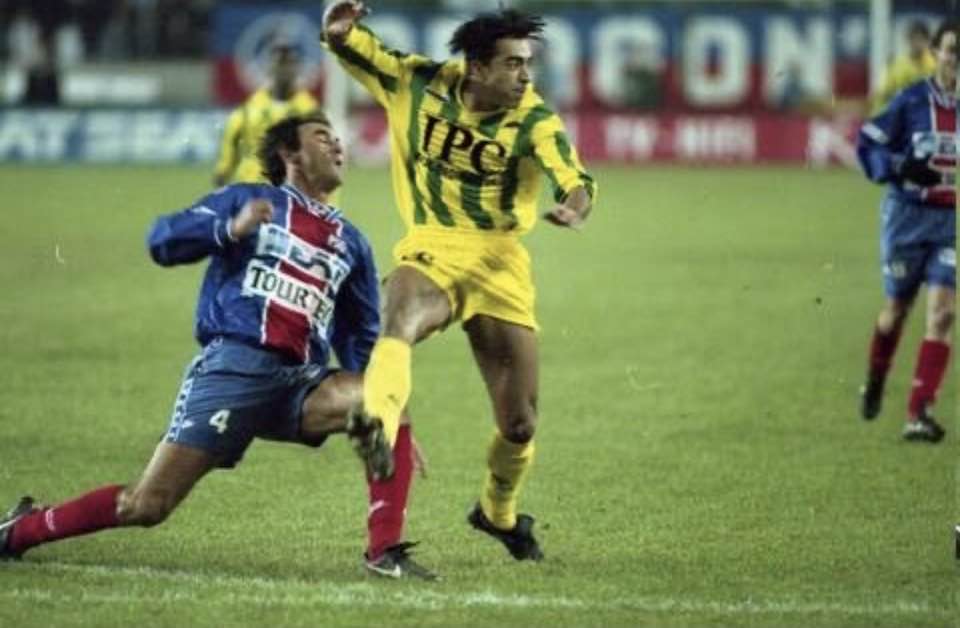
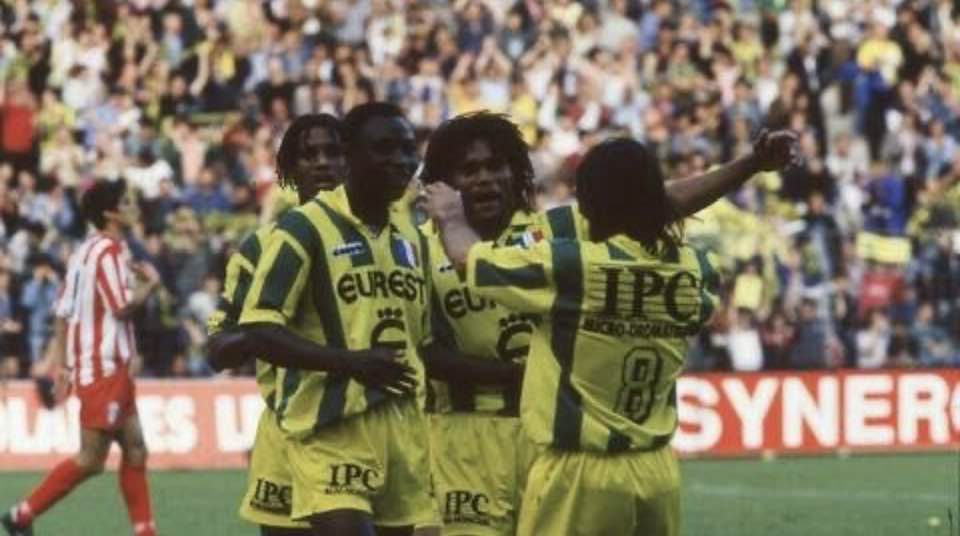
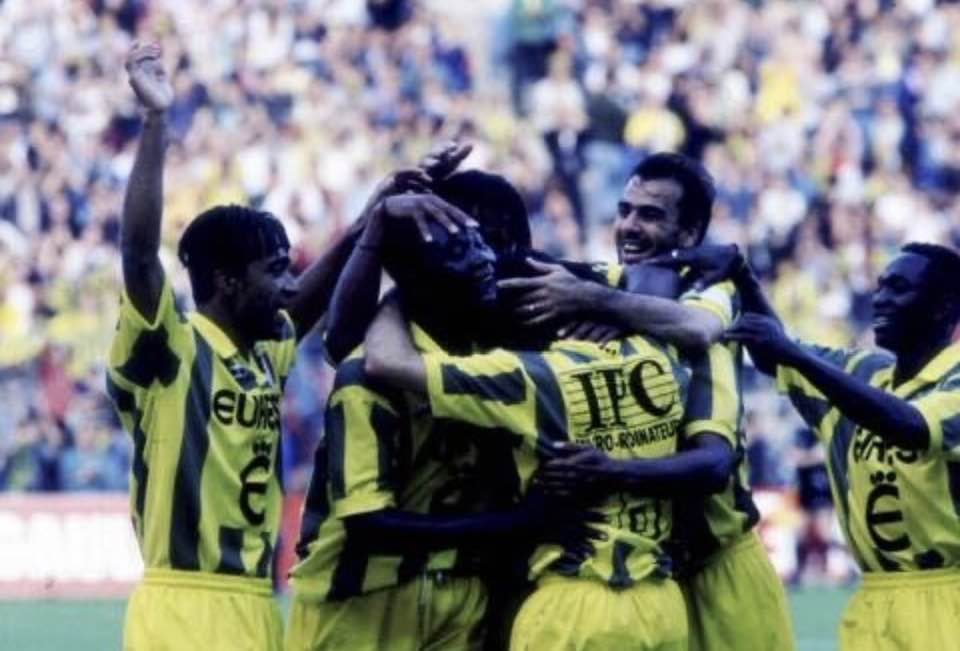
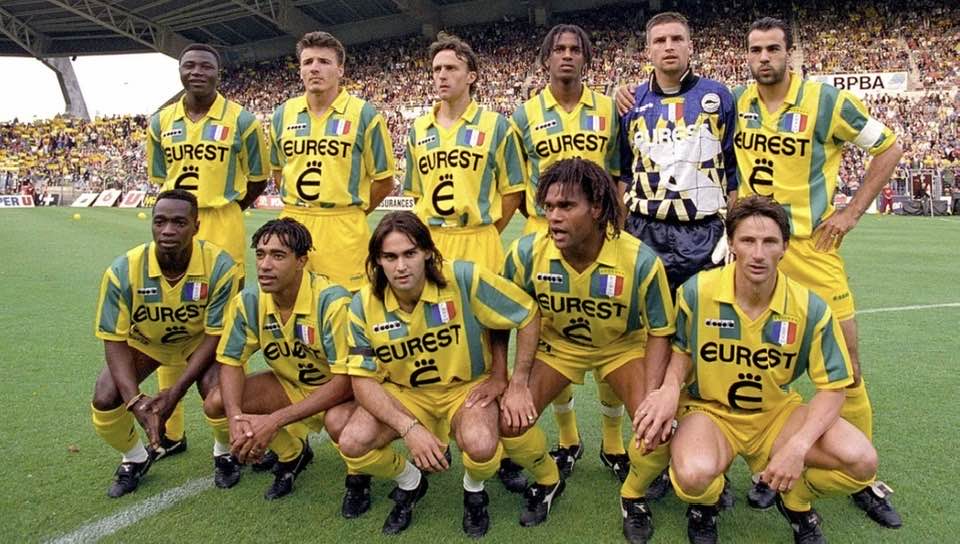
Then he had a pivotal encounter with Christian Chauvin, a man from Nantes who had lived in Chad who invited him to spend his weekends at his place, and they became friends. On August 18th 1990 in Bordeaux, Jorge Buruchaga suffered a serious knee injury and Nantes was so desperate for a replacement. The Dane, Lars Eistrup was scouted, but he didn’t impress. Ultimately, a one-year contract was offered to the young N’Doram and he accepted the amateur licence to join the team. This was a destiny-changing opportunity he didn’t let slip away. From here the Chadian became a full-fledged Canary and he never looked back, his coach Blazevic was so delighted.
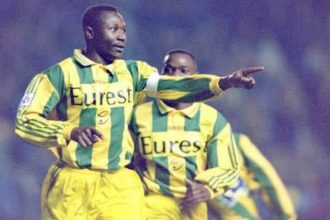
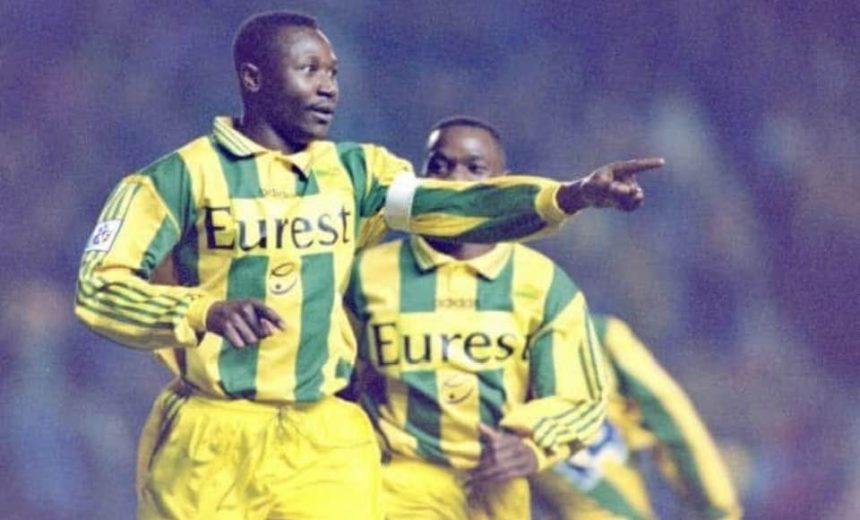
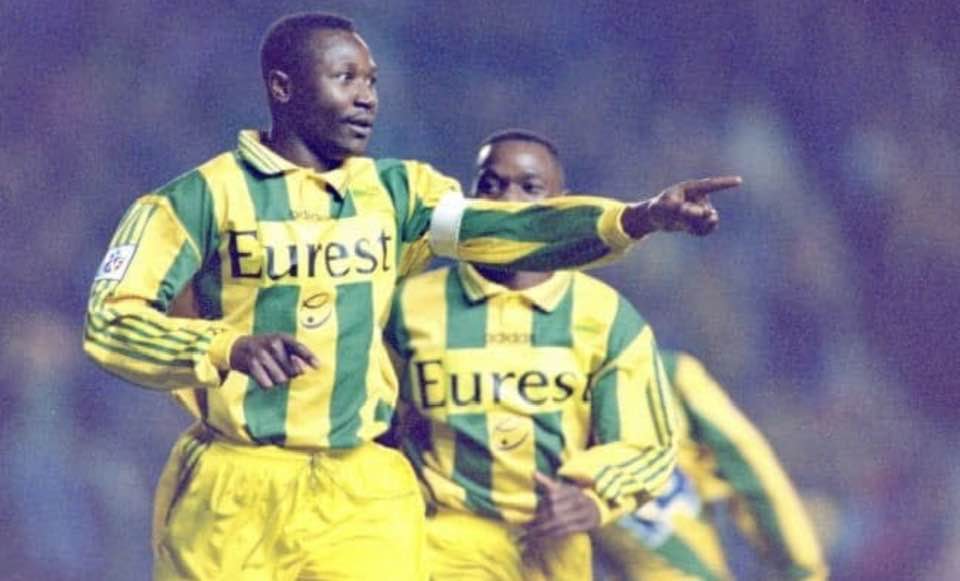
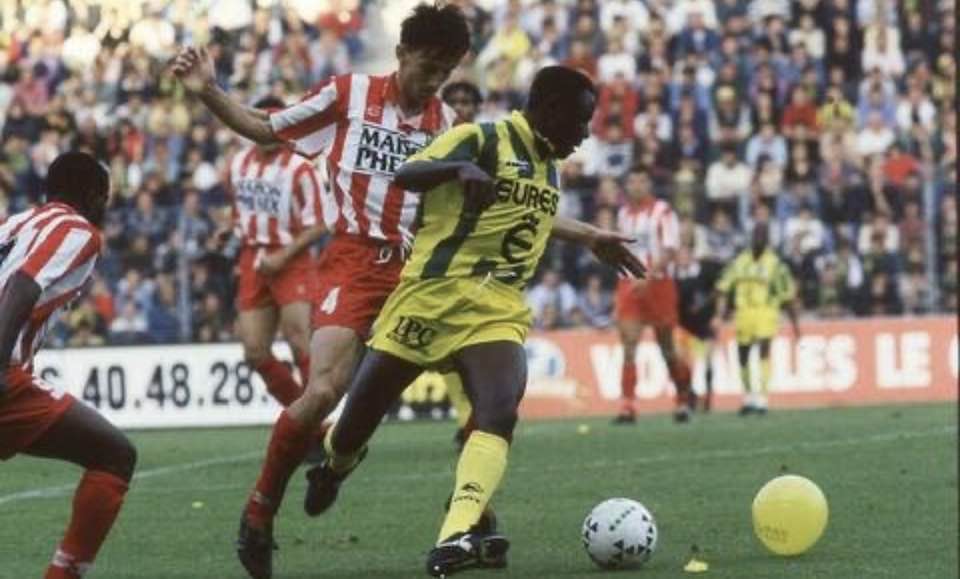
Japhet N’doram became something of a cult hero at Stade de la Beaujoire, scoring important goals as the club’s 2000th in the top division, through a penalty against Lille OSC (1–0 win) or the second in a 3–2 home triumph against Juventus FC in the 1995–96 UEFA Champions League semi-finals (3–4 aggregate loss). In 1994–95, he netted 12 goals as Les Canaris won their seventh national championship, Third highest scorer for the club behind free scoring Super stars like Nicolas Ouédec (26) and Patrice Loko (22). This was the first league title of Nantes in 12 years before then and their seventh French league title, thereby qualifying for the 1995–96 UEFA Champions League. With only one loss, against RC Strasbourg on matchday 33, the club holds the record for fewest losses in a Ligue 1 season and most consecutive matches unbeaten in a single season at 32. Paris Saint-Germain would later equal Nantes’ streak of 32 matches without defeat during the 2015–16 Ligue 1 season.
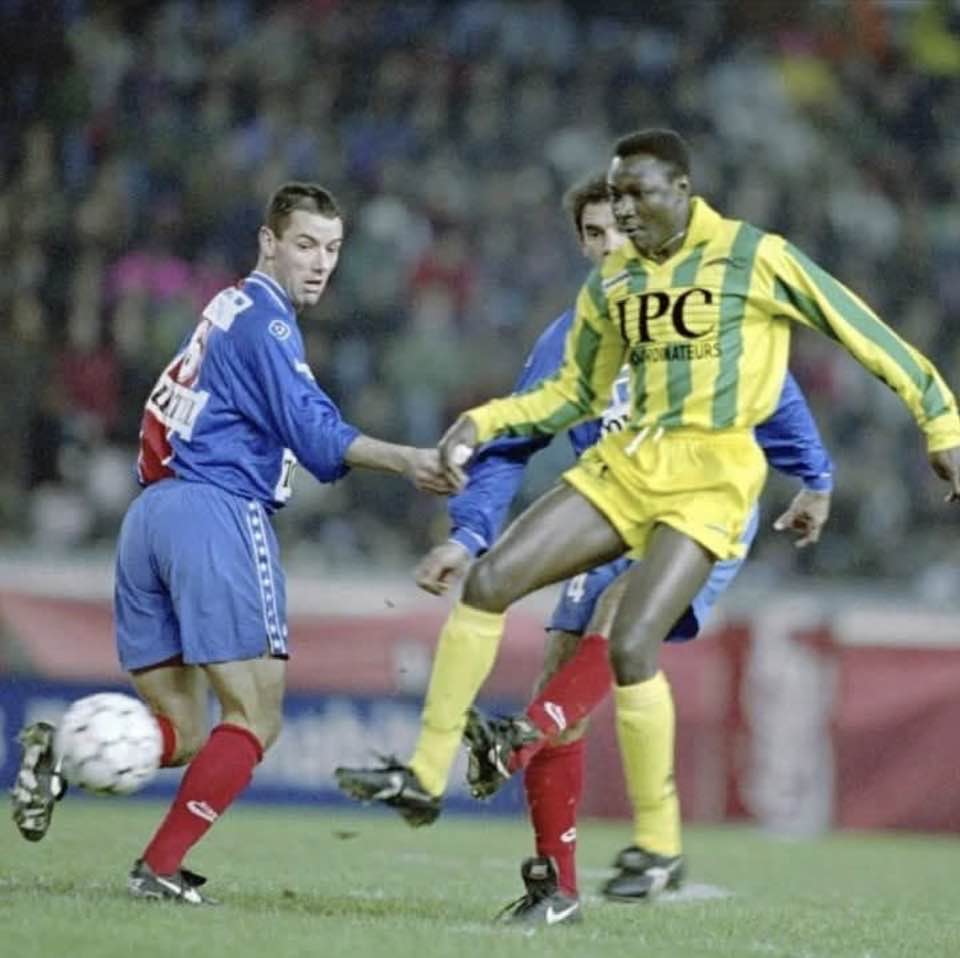
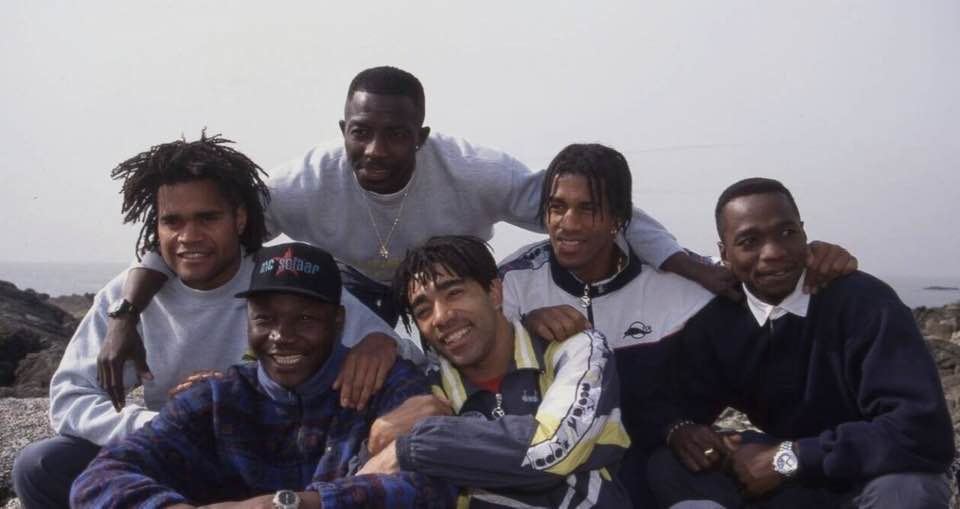
This is arguably the best Nantes generation ever. An extraordinary star-studded squad that had the likes of Claude Makélélé (one of the best defensive midfield player of all time), Christian Karembeu that showed like a galaxy for France in Euro 1996, the prestigious goalkeeper Dominique Casagrande, Patrice Loko, free scoring Nicolas Ouédec and Nigeria’s USA 1994 star, Samson Siasia, who wasn’t even a starter in a club where Japhet N’doram played every weekend. Japhet later had a European career-best of 21 goals in the 1996–97 Lique 1 campaign. Till date the Chadian, nicknamed “the Wizard” remains Nantes’ all time top scorer with 81 league goals. He was consistently ranked in CAF top 10 on African footballer of the year awards throughout the early to the mid 90s.
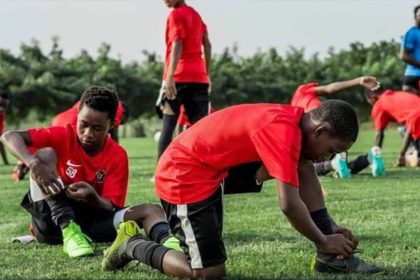
For the past five years, the former star of the Beaujoire stadium has been coaching unaccompanied minors, that is, children and teenagers between age 5 to 17 that immigrated to France without the presence of legal guardians or parents. He took this challenge up to help them integrate into society through football.
The former French champion and Champions League semi-finalist now coaches these young migrants twice a week near Nantes. An employee of the Loire-Atlantique departmental council, Japhet N’doram takes his role very seriously.
His goal is to repay the people of Nantes for the welcome and love he received when he arrived from Chad at the age 24.
For him, his role doesn’t end as soon as he leaves the pitch. He uses football as a bridge to integration, creating connections and opening himself up to others, which can bring many opportunities.
“I also come from there. If l came to France and had the chance to have the career I’ve had, it’s also because people welcomed me with open arms, so joining the department is the goal, to help these young people,” Japhet N’doram said.